General Check-up · 16 July 2026 · 3 min read
Why Regular Eye Exams Matter?
Routine eye examinations help catch many eye conditions early, including glaucoma, which can progress for years without symptoms. A check-up assesses visual acuity, eye pressure, the front of the eye and the retina, adding further tests where needed. More frequent visits are advised for people with a family history, diabetes, or those past 40.
Written by Op. Dr. Anıl Kaya
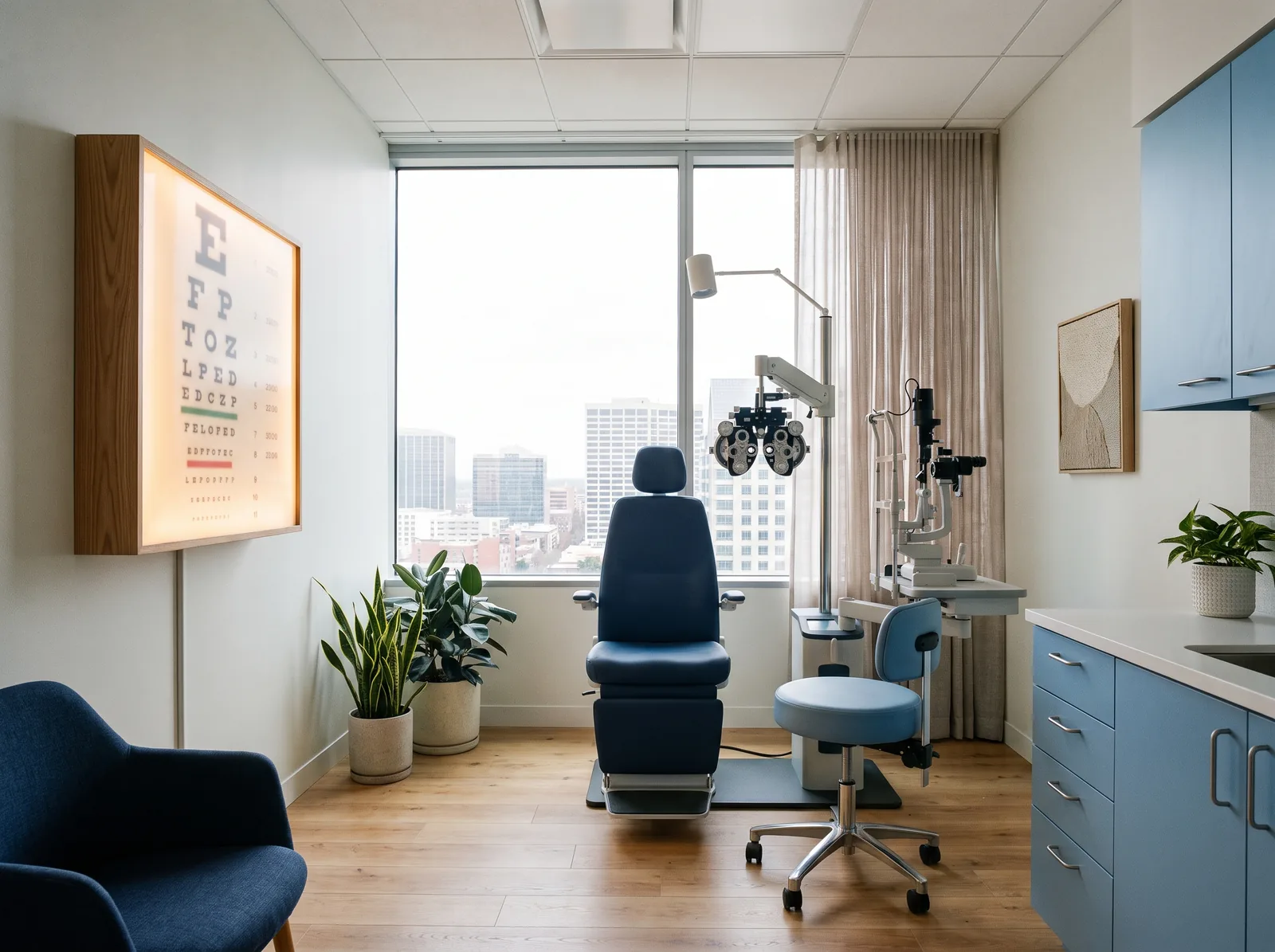

Whether or not you have symptoms, routine eye examinations can help many eye conditions be caught early, before they cause noticeable symptoms. Glaucoma in particular can progress for years without symptoms, which is exactly why regular check-ups matter.
A general eye examination usually includes:
- A visual acuity test (including your glasses prescription)
- Intraocular pressure measurement (to screen for glaucoma)
- An anterior segment examination (cornea, anterior chamber, lens)
- A fundus (retina) examination
- Further tests such as a visual field test or OCT scan, if needed
How often you need checking varies from person to person; a family history of eye disease, diabetes or another systemic condition, or being past a certain age, means more frequent visits. Presbyopia, cataracts and glaucoma all become more common after 40, so regular examinations matter from this age.
Contact lens wearers have an added reason for regular check-ups, since long-term lens wear can affect corneal health, so the cornea and ocular surface are checked alongside routine lens follow-up. Screen users often notice dry eye or blurring, which an examination can help explain. Results can also lead to referral for further treatment, such as refractive error, cataract or eyelid care.
If you notice blurred vision, a rapidly changing prescription, eye pain or halos around lights, get checked sooner rather than waiting for your next visit.
A children's eye examination has a different focus, aimed at catching conditions such as amblyopia or a squint early. In adults, it looks at both current visual clarity and early screening for age-related risks — cataracts, glaucoma, retinal disease — so its content can vary by age and risk profile. A general eye examination is the basic assessment step for eye health, with or without symptoms; further tests are decided once this first assessment is complete.
Is an OCT Scan Worth It? Common Questions From Patient Reviews
The question asked most often in reviews after an eye examination is about the drops put into the eyes. These drops widen the pupil so the doctor can examine the back of the eye, the retina and the optic nerve in detail. Their effect lasts a few hours, during which difficulty seeing up close and sensitivity to light are normal. A dilated examination is not harmful, but you should not drive until the effect wears off, and sunglasses help outdoors.
Many people also ask whether an OCT scan is worth having. OCT produces cross-sectional images of the retina and the optic nerve, showing layers that cannot be seen in the same detail during a standard examination. It helps pick up changes caused by macular degeneration, diabetes or glaucoma early, sometimes before symptoms appear. Whether you need it, and how often, depends on your age, risk factors and the findings of your examination, and the images are interpreted by the doctor together with the rest of the examination rather than on their own. Cataract, by contrast, is usually assessed at the slit lamp; OCT's strength lies in the retina and optic nerve.
"Why did the examination take so long?" is another common comment. The wait for the drops to work, together with visual acuity testing, eye pressure measurement and the slit-lamp examination, means a comprehensive eye examination takes time. That time is what allows glaucoma or retinal disease, which can progress without symptoms, to be caught early.
How often you need an examination varies from person to person. Regular check-ups are recommended even for adults without symptoms, and the interval is shortened after the age of 40, with diabetes or high blood pressure, or when there is a family history of glaucoma. For children, at least one eye examination before starting school is important for catching lazy eye (amblyopia) and a squint early.
For more detail on this topic, see Full Eye Examination on the tests it includes
Related Pages
References
- Eye Exam and Vision Testing Basics — American Academy of Ophthalmology (AAO), 2024
- Comprehensive Adult Medical Eye Evaluation PPP 2025 — American Academy of Ophthalmology (AAO), 2026
Send your appointment request to Op. Dr. Anıl Kaya
There are two ways to ask about your eye health or request an appointment. If you would like the doctor to know your situation before replying, complete the short assessment first; if your question is brief, fill in the form alongside. Both reach the same team.
Your age and a short sentence are enough; no medical terms needed. What you write is only sent when you send it; this page stores no information.