Botox Treatment
Botox temporarily relaxes expression muscles to soften frown lines, forehead lines and crow's feet, aiming for a natural look. Book a consultation in Istanbul.
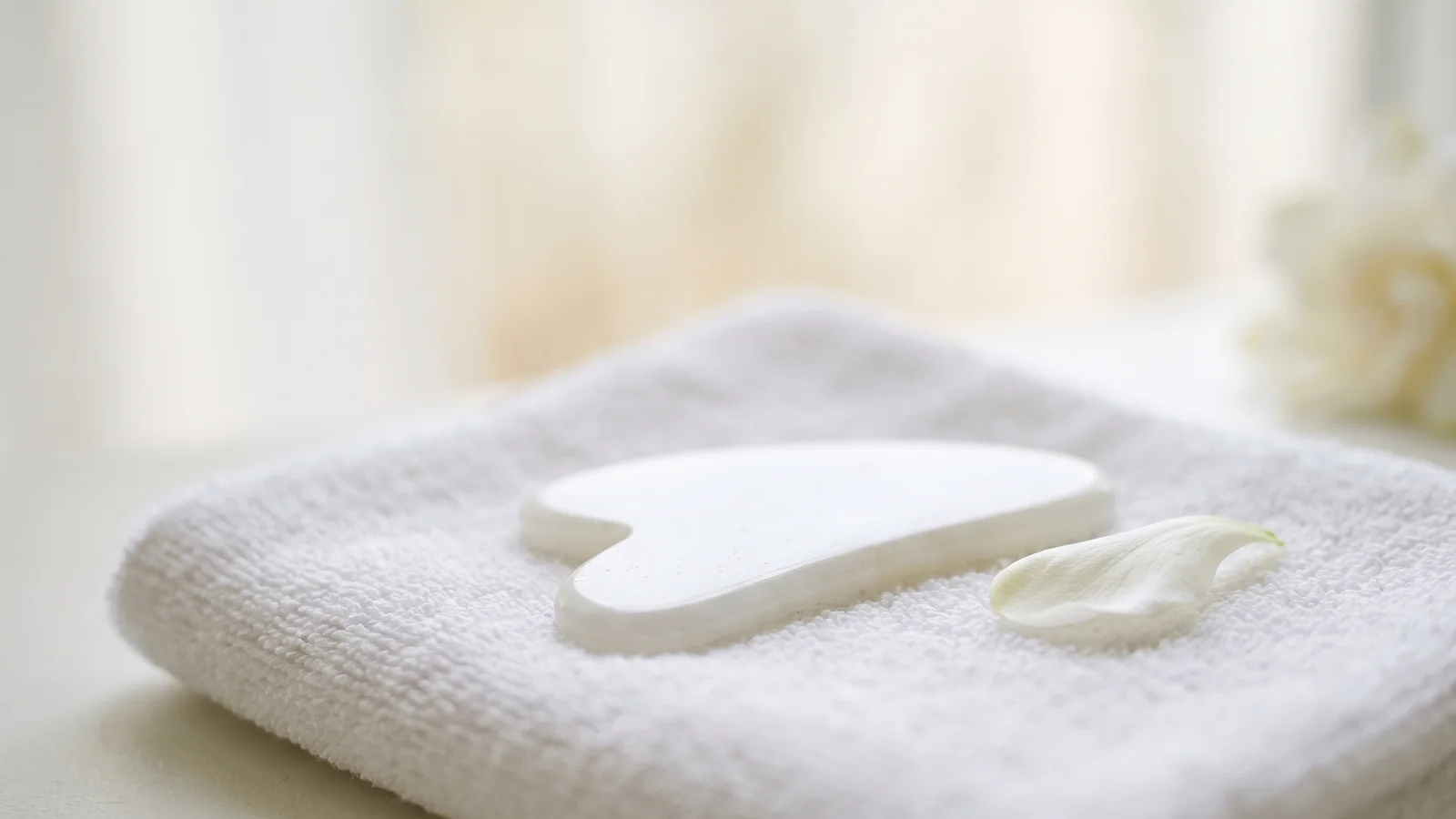

Botox is an injectable treatment that temporarily relaxes the facial muscles behind repeated expressions, softening the dynamic wrinkles those movements create — most often between the brows, on the forehead and around the outer eyes. Treatment is tailored to each patient's own expression pattern, aiming for a natural look rather than a frozen one.
Written by Op. Dr. Anıl Kaya
What Is Botox?
Botox is an injectable treatment that works by controlled, temporary relaxation of the muscles behind repeated facial expressions, softening the dynamic wrinkles those movements create. It is most often used for the area between the brows, the forehead and the outer corners of the eyes. Op. Dr. Anıl Kaya tailors each treatment to the patient's own expression pattern, aiming for a natural look rather than a frozen one — a non-surgical option that fits easily around daily life.
Quick Facts
The treatment usually takes 15-20 minutes and needs no anaesthetic, though cooling can be applied beforehand if preferred. The effect starts to show within a few days, with the full result visible within 1-2 weeks. How long it lasts varies from person to person but typically continues for a few months on average, with no special recovery period needed.
What Is Botox Used For?
Botox is mainly considered for dynamic wrinkles linked to expression — frown lines between the brows, forehead lines and crow's feet. It is often discussed with patients concerned about facial lines and wrinkles, particularly lines that grow more noticeable with movement, usually developing gradually from repeated expressions such as smiling or frowning. By temporarily reducing the activity of the muscles involved, Botox softens how these lines appear without changing the skin's underlying structure or volume.
Who Is Botox Suitable For?
Botox can be considered for adults in good general health who are bothered by dynamic lines visible with expression. Planning is more straightforward for those wanting a natural look who are not worried about any loss of expression. Results tend to be more predictable when patients come in early, while lines still appear only during movement. Patients pleased with a previous treatment can also consider repeating it.
Who May Not Be Suitable for Botox?
Botox is not advised during pregnancy or breastfeeding, in certain neuromuscular conditions, or where there is active infection at the injection site. In static lines still visible at rest, or lines from volume loss, Botox alone may not be enough, and dermal filler may be considered instead. For patients mainly concerned with pigmentation or sun-related uneven tone, a different treatment may be suggested at assessment.
How Is the Pre-Botox Assessment Carried Out?
Before treatment, your expression pattern, whether the lines are dynamic or static, and your general health are assessed. No separate diagnostic test is needed; this consultation determines the dose and areas to be treated, and which approach may suit you best — Botox alone, or alongside a dermal filler or a different method. You can book through the contact page.
How Is Botox Performed?
Botox treatment at our clinic follows these steps:
- 1Cleansing the Skin. The treatment area is cleansed, with light disinfection applied if needed.
- 2Marking the Area and Dose. Based on the earlier assessment, the muscle groups and dose are determined and the area is marked.
- 3Injection. Small doses are injected into the marked points using fine needles.
- 4Review and Aftercare Advice. The area is checked after treatment and aftercare advice is explained.
What Happens After Botox?
Mild redness or minor bruising can appear at the injection site and usually clears quickly. Avoid pressing on the treated area or bending forward in the first few hours; most patients return to daily life the same day. Avoiding rubbing the area, lying down, or strenuous activity in this period can help reduce the chance of the effect spreading.
What Are the Results of Botox?
The effect usually becomes visible within 2-7 days, with a reduction seen in expression lines. The result is not permanent — muscle movement gradually returns after a few months on average, and how long it lasts varies from person to person. How natural the result looks is closely tied to the dose and the patient's own expression pattern.
What Are the Limits of Botox and Realistic Expectations?
Botox does not offer a permanent result, and repeat treatment is needed to maintain the effect. It does not correct static lines or sagging from volume loss; a dermal filler may suit these concerns better, and the same degree of effect should not be expected in every patient. It also does not change the skin's elasticity or tone; see our pigmentation spots page for those concerns.
What Are the Risks and Side Effects of Botox?
Effects after Botox are generally temporary and vary in how often they occur. More common ones are short-lived symptoms at the injection site — mild redness, minor bruising or temporary swelling — that usually settle within a few days. Less common effects include headache and an asymmetric effect. Very rarely, temporary eyelid drooping has been reported; correct technique and dose selection help minimise this risk.
Effects That Can Appear After Botox
When Does Botox Start Working, and How Long Does It Last?
The effect of a Botox injection does not appear immediately; a reduction in muscle movement usually becomes noticeable within a few days, with the full effect generally settling within two to three weeks. How long it lasts varies from person to person but can be maintained for a few months on average, after which muscle movement gradually returns and the lines may reappear.
Botox Effect Timeline
What Is the Doctor's Approach to Botox?
Op. Dr. Anıl Kaya prioritises a natural expression when performing Botox, tailoring the dose to each patient's own pattern of movement. Assessment considers your everyday expression habits, any previous treatment outcome, and your expectations together, aiming for a result that avoids the frozen look an excessive dose can cause. You can read more about the doctor on his own page.
What Alternative Treatments Are Considered Instead of Botox?
For static lines or volume loss, dermal filler is worth considering; for overall skin texture, skin boosters/mesotherapy is an option. Mid- and lower-face sagging may call for a liquid facelift, roughness or texture concerns can be addressed with fractional CO2 laser, and RF microneedling supports firmness and collagen. Which suits your concern becomes clear at assessment; our which treatment is right for me guide offers an overview.
Frequently Asked Questions
Is Botox permanent?
No, the effect of Botox fades over time and repeat treatment is usually needed every few months; how long it lasts varies from person to person.
Will my expression look frozen after Botox?
With the correct dose and technique, the aim is to soften the appearance of lines without freezing your expression entirely; an excessive dose can lead to an unwanted frozen look.
Can I go back to work straight after Botox?
Most patients can return to daily life the same day, though it's advised to avoid pressing on the area in the first few hours.
Are Botox and filler the same thing?
No, Botox temporarily reduces muscle movement, while filler adds volume; the two address different concerns — see our comparison page for more detail.
Does Botox hurt?
Fine needles are used during treatment, so a slight stinging sensation is possible; it usually doesn't require separate anaesthetic, though cooling can be applied beforehand if preferred.
From what age can Botox be done?
There's no fixed age limit; the decision is made once expression lines start to become noticeable in adulthood, taking into account your general health and expectations.
Can I exercise after Botox?
Strenuous activity and bending forward are best avoided for the first few hours; daily activities can then be resumed gradually.
Related Content
You can read our comparison of Botox versus dermal filler, our facial lines and wrinkles page, and the other treatments on our medical aesthetics hub. Pigmentation spots and other concerns are covered on their own pages.
How Does Botox Compare With Other Treatments?
We have a separate page comparing Botox with dermal filler, plus a combined table covering six treatments together, setting out where Botox tends to stand out and where another method may suit better. For patients who are unsure, these pages offer a general sense of direction; the final decision is confirmed at assessment.
What Do Before-and-After Botox Results Look Like?
Before treatment, lines that grow more visible with expression are often the main concern; once the effect sets in, a gradual reduction can be seen. The result changes over time as muscle movement returns, a natural part of the process. How noticeable the before-and-after difference looks depends on how deep the lines were and the dose used, so the same result should not be expected in every patient.
References
- BOTOX Cosmetic (onabotulinumtoxinA) for injection, for intramuscular use - Prescribing Information — U.S. Food and Drug Administration (DailyMed / National Library of Medicine), 2024
- Treatment of glabellar lines with Botox (onabotulinumtoxinA): Development, insights, and impact — Medicine (PMC), 2023
Book an Appointment
You can request an appointment to assess whether Botox suits your expression pattern. Your doctor will work with you to determine the treatment best suited to you.
Find the Right Path for You
There are many different conditions and options in this area — browse by topic below, or answer a few questions to see the step closest to your situation.
Explore by Topic
Find What Suits You
Aesthetics RoadmapA few questions, the right next step for you

Ophthalmologist · Kartal, Istanbul
Why Op. Dr. Anıl Kaya?
Related Pages
Would you like to contact the doctor with a Aesthetics assessment tailored to you?
There are two ways. If you would like the doctor to know your situation before replying, complete the Aesthetics Roadmap first; if your question is short, write directly. Both reach the same team.
Your age and a short sentence are enough; no medical terms needed. What you write is only sent when you send it; this page stores no information.