
Fractional CO2 Laser
Fractional CO2 laser works on micro-zones of the upper skin to support renewal and collagen, mainly for fine lines and uneven texture. Check your suitability in Istanbul.


Fractional CO2 laser is a laser treatment that creates controlled micro-sized zones in the skin's upper layers to support its own renewal process and collagen production. The fractional approach targets specific micro-points rather than the whole surface. At the clinic, it's mainly considered for fine lines and uneven skin texture; suitability becomes clear at consultation.
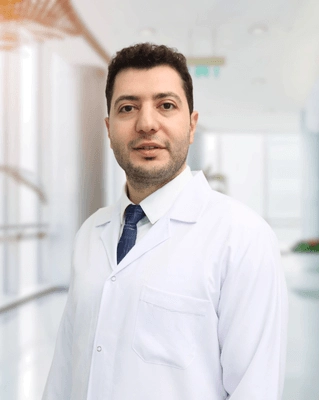
Written by Op. Dr. Anıl Kaya
What Is Fractional CO2 Laser?
Fractional CO2 laser creates controlled, micro-sized zones in the skin's upper layers, supporting its own renewal and collagen production. Rather than treating the whole surface, it targets specific micro-points, letting surrounding tissue aid healing. Op. Dr. Anıl Kaya assesses this method in Istanbul mainly for fine lines and uneven skin texture; whether it suits you becomes clear at consultation.
Quick Facts
A session usually takes around 20-40 minutes. Topical anaesthetic cream may be used beforehand. Redness and mild peeling afterwards can last from a few days to about a week. The number of sessions needed depends on your skin's condition and isn't always limited to one.
What Is Fractional CO2 Laser Used For?
Fractional CO2 laser is mainly considered for fine lines, uneven texture, enlarged pores, and sun-related pigmentation spots. For facial lines and wrinkles it can support skin renewal; for pigmentation spots it's aimed at reducing their appearance. Our facial lines and wrinkles page covers this in more depth.
Who Is Fractional CO2 Laser Suitable For?
It can be considered for adults with fine lines, mild texture irregularities or sun-related pigmentation spots, whose general health suits the treatment. Suitability is judged by skin type, past treatments and expectations together. In people often exposed to the sun, who smoke, or have an irregular skincare routine, healing and the outcome can differ, so lifestyle habits are discussed too.
Who May Not Be Suitable for Fractional CO2 Laser?
Fractional CO2 laser may not be suitable with an active skin infection, uncontrolled skin disease, recently sun-exposed skin, pregnancy, or certain medications; gentler options such as RF microneedling, mesotherapy or a liquid facelift can be considered instead. Final suitability is confirmed at consultation.
How Is the Assessment Before Fractional CO2 Laser Done?
No separate diagnostic test is needed; beforehand, your skin type, how long you've had the concern, your sun exposure, and the products or medications you use are discussed. This shapes the laser settings and session plan for you. You can book a consultation through our contact page.
How Is Fractional CO2 Laser Performed?
Fractional CO2 laser is carried out in a clinical setting, following a pre-planned sequence of steps:
- 1Cleansing and Preparation. The treatment area is cleansed, removing make-up and any residue from the skin's surface.
- 2Topical Anaesthetic. A topical anaesthetic cream is applied to the area to reduce discomfort, and time is allowed for it to take effect.
- 3Laser Application. The device is passed over the skin to create controlled micro-zones in the targeted area; session length varies depending on the area treated.
- 4Soothing and Protection. After the treatment, a soothing cream is applied, and sun protection and aftercare advice are shared with the patient.
What Happens After Fractional CO2 Laser?
Redness, mild swelling and peeling can appear on the first day and over the following days, so sun protection and the recommended aftercare products matter. As the skin returns to normal, a gradual improvement becomes noticeable in the treated areas. Avoiding harsh products (such as peels or retinol) and using the moisturiser or repair products your doctor recommends supports healing.
What Are the Results of Fractional CO2 Laser?
Effects usually become noticeable within a few weeks; collagen renewal takes time, so the full result can take a few months. How long it lasts depends on skincare, sun protection and natural ageing. A further session at set intervals may be considered, and where improvement falls short, an extra session or RF microneedling may follow.
What Are the Limits and Realistic Expectations of Fractional CO2 Laser?
Fractional CO2 laser doesn't fully eliminate deep wrinkles or noticeable skin sagging; where volume loss is the issue, a complementary method such as dermal filler may be needed. Not every patient gets the same result — skin type and lifestyle both influence the outcome.
What Are the Risks and Side Effects After Fractional CO2 Laser?
The most common effects after fractional CO2 laser are temporary redness, sensitivity and peeling, usually settling within days. Less common effects include temporary swelling and a brief change in skin colour. Rarer complications include temporary darkening or lightening (hyperpigmentation/hypopigmentation), infection, or slower-than-expected healing. Skipping sun protection, smoking, or a recent aggressive procedure can raise these risks. The order below reflects frequency, not a rate or percentage.
How Often Do Fractional CO2 Laser Risks Occur?
When Does the Effect of Fractional CO2 Laser Appear, and How Long Does It Last?
The effect of fractional CO2 laser doesn't appear overnight; the skin renews itself over time. The first few days bring the most noticeable redness and peeling. Over the following weeks, redness fades and skin texture gradually improves. Because collagen renewal takes time, the difference becomes clearer after a few weeks, with the full result settling over one to two months. These timeframes are approximate and vary with skin type, laser settings, and how carefully sun protection is followed.
How Does the Effect of Fractional CO2 Laser Progress Over Time?
What Is the Doctor's Approach to Fractional CO2 Laser?
Op. Dr. Anıl Kaya plans fractional CO2 laser individually, based on skin type and how pronounced the concern is; where needed, he considers it alongside RF microneedling or mesotherapy rather than on its own. Find out more about his approach on our doctor page.
What Alternative Treatments Are Considered Instead of Fractional CO2 Laser?
For patients wanting a gentler renewal effect, or for whom laser isn't suitable, RF microneedling or skin boosters/mesotherapy can be considered instead. Where volume loss is the main concern, dermal filler may suit better. Because Botox and a liquid facelift work differently, they can be planned alone or alongside fractional CO2 laser, depending on the concern.
Frequently Asked Questions
Is fractional CO2 laser painful?
Topical anaesthetic usually reduces discomfort; a mild burning or stinging sensation can still occur, and this varies from person to person.
How many sessions are needed?
The number of sessions depends on your skin's condition and the result you're aiming for; one session may not be enough, and planning is done at consultation.
Can I wear make-up after the treatment?
It's usually recommended to avoid make-up for a while until the skin has healed; the exact duration can vary, and your doctor will give you personalised advice.
Can it be done in the summer months?
Because sun exposure afterwards can affect the healing process, the season and your sun-protection plan are assessed at consultation.
When can I return to work or social life after fractional CO2 laser?
Returning to daily life is possible for most patients after the first few days, when redness and peeling are at their most noticeable; however, if you're planning intense social activity or sun exposure, it's recommended to plan the timing with your doctor.
Can fractional CO2 laser be combined with Botox or filler?
In some cases, different methods can be planned to complement each other; however, which treatments are done in the same session, or how far apart, is decided at consultation based on your skin's condition.
Is fractional CO2 laser risky for darker skin tones or sensitive skin?
Skin type is an important factor in choosing the laser settings; in certain skin types, the risk of colour change is assessed more carefully. This is why a detailed assessment of your skin type before treatment is important.
Related Content
For more on pigmentation spots, visit our dedicated symptom page, or browse the comparison table covering all medical aesthetics treatments. Patients dealing with facial lines and wrinkles can look at that symptom page, and those unsure between options can review our Which Treatment Is Right for Me guide.
How Does Fractional CO2 Laser Compare with Other Treatments?
Review the comparison table setting fractional CO2 laser side by side with RF microneedling, Botox, filler, liquid facelift and mesotherapy, to see which treatment suits which concern. As with the Botox vs Filler comparison, the concern's nature and the expected outcome matter most when choosing between methods.
What Are the Advantages of Fractional CO2 Laser?
It's a non-surgical method that takes a broad approach to renewing the skin and can cover a wide area rather than just one spot. It's also an outpatient procedure for most patients, needs no general anaesthesia, and often allows a quick return to daily life.
What Does Fractional CO2 Laser Look Like Before and After?
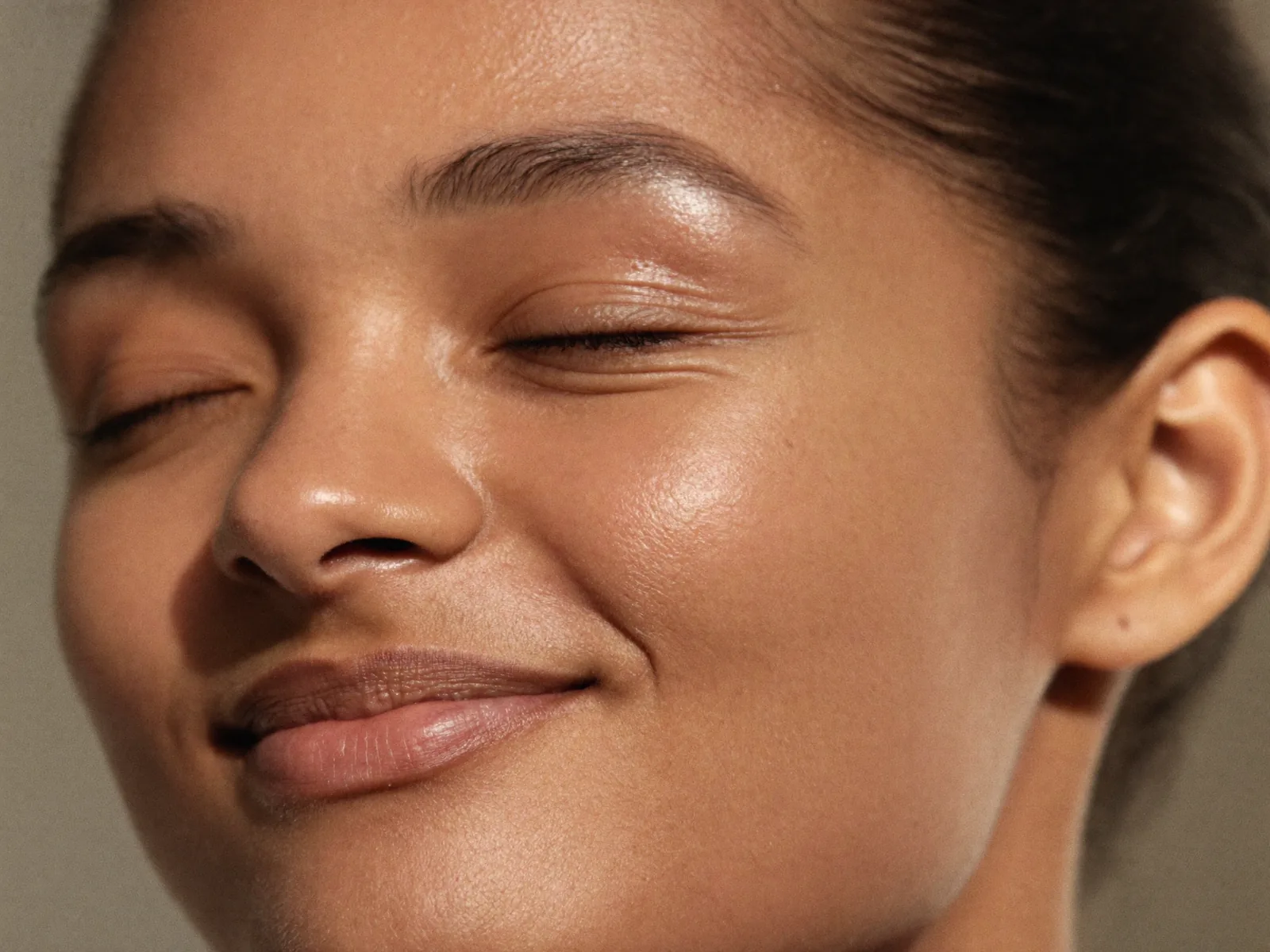
Before treatment, texture irregularities, fine lines and pigmentation spots may be more noticeable; once healing is complete, a gradual improvement appears in the skin's surface. Results vary from person to person and aren't always limited to one session; example processes are discussed at consultation for a realistic expectation. The change appears gradually, at the skin's own pace, so before-and-after assessments are usually supported by follow-up appointments a few weeks apart.
References
- Safety and Tolerability of Fractional CO2 Lasers for Facial Rejuvenation Across Fitzpatrick Skin Phototypes I–IV: Retrospective Cohort Study — Journal of Cosmetic Dermatology (PMC), 2026
Book a Consultation
You can request an appointment at our clinic in Istanbul to assess whether fractional CO2 laser is suitable for your skin.
Find the Right Path for You
There are many different conditions and options in this area — browse by topic below, or answer a few questions to see the step closest to your situation.
Explore by Topic
Find What Suits You
Aesthetics RoadmapA few questions, the right next step for you

Ophthalmologist · Kartal, Istanbul
Why Op. Dr. Anıl Kaya?
Related Pages
Would you like to contact the doctor with a Aesthetics assessment tailored to you?
There are two ways. If you would like the doctor to know your situation before replying, complete the Aesthetics Roadmap first; if your question is short, write directly. Both reach the same team.
Your age and a short sentence are enough; no medical terms needed. What you write is only sent when you send it; this page stores no information.