
Eyelid Surgery and Ptosis Surgery
For sagging, puffy or drooping lids: upper and lower blepharoplasty, ptosis surgery, fat transfer, brow lift or revision surgery. Book a consultation in Kartal, Istanbul.


Eyelid surgery and ptosis surgery cover procedures that correct sagging, puffiness and muscle-related drooping in the upper and lower lids. Six methods — blepharoplasty, ptosis surgery, fat transfer, brow lift and revision surgery — are chosen at the examination based on eyelid anatomy and muscle function; more than one can be combined in one session.
Written by Op. Dr. Anıl Kaya
What Is Eyelid Surgery and Ptosis Surgery?
Eyelid surgery and ptosis surgery is the umbrella term for procedures that correct sagging, puffiness, muscle-related drooping (ptosis) and other ageing changes in the upper and lower eyelids. Op. Dr. Anıl Kaya, an eye surgeon (ophthalmologist) in Istanbul, evaluates six methods for eyelid and periorbital surgery based on the patient's clinical findings: upper blepharoplasty, lower blepharoplasty, ptosis surgery, fat transfer, brow lift and eyelid revision surgery.
All six aim for a permanent tissue change; non-surgical, temporary options such as dermal fillers, thread lifts or plasma pens fall outside this evaluation and are covered separately. The suitable method is decided at the examination from the eyelid's anatomy, levator muscle function, skin elasticity and the source of the complaint; more than one method can be combined in the same patient — for example, upper lid sagging with a low brow may be planned in one session. Because eyelid surgery affects eye health directly, evaluation is done by an eye specialist, aiming not just to change appearance but to preserve the lid's role in protecting, lubricating and closing over the eye.
This page introduces the six methods and two clinical conditions (ptosis, blocked tear duct) covered here; each method is detailed on its own page. If a complaint is more noticeable on one side, comparing it with the other eye helps tell a genuine asymmetry from a familiar difference in appearance — this comparison is part of the examination.
The anatomical basis: the levator aponeurosis, at the end of the muscle that raises the upper lid, attaches to the tarsus, the lid's firm supporting tissue; this attachment, not the skin above it, mainly sets the lid margin's position. When the aponeurosis loosens from the tarsus, the margin drops below the limbus (where the cornea meets the white of the eye) — muscle-related ptosis. The orbicularis muscle, which opens and closes the lid, is separate and not a cause of ptosis; with excess skin, the aponeurosis-tarsus attachment stays intact and only the skin above the lid sags toward the lashes.
The animated diagram below compares a normal lid position with muscle-related ptosis and excess-skin sagging, from the front and in cross-section; a detailed assessment is made at the examination.
Why Does the Lid Margin Drop: Muscle or Skin?
What Is the Common Logic Behind Eyelid Surgeries?
Each of the six methods targets a different tissue layer: upper and lower blepharoplasty address skin and fat, ptosis surgery addresses levator muscle function, fat transfer addresses volume loss, and brow lift addresses brow position. Revision surgery is a separate category, aimed less at a tissue problem than at the outcome of an earlier operation.
This matters because a similar complaint — heaviness of the lid, or the pupil partly covered — can have a different cause; excess skin is often confused with muscle-related drooping, yet the two need different operations, since blepharoplasty does not strengthen muscle function and ptosis surgery does not remove excess skin. So the first step is identifying which tissue layer is affected, which is determined not by looking but by examination findings such as levator function and lid margin position.
In some patients more than one layer is affected; combining two methods can then be considered.

What Complaints Occur in the Eyelid Area?
The most common complaints in this area are upper lid sagging and heaviness, under-eye puffiness and bagginess, brow drooping and, in some patients, a lid low enough to cover the pupil. As upper lid sagging progresses, some patients raise their brow to keep the lid open while looking up or reading; this habitual brow-raising is one finding used to gauge the degree of sagging.
In other patients the complaint is quite different: constant watering, sticky discharge or repeated eye inflammation, usually pointing to a blocked tear duct rather than surgical sagging. Sagging upper eyelid and under-eye bags are covered separately here and can lead to different approaches, so correctly identifying the complaint is the first step.
The complaint usually progresses slowly over years; patients often notice it through old photos or comments from others. That under-eye swelling does not always need surgery, and can stem from temporary causes, is covered below.
Which Conditions Fall Into This Category in Eyelid Surgery?
The main conditions in this category are droopy eyelid (ptosis) and blocked tear duct. Ptosis is the upper lid drooping over the pupil from loss of function in the lifting muscle, a different mechanism from skin-related sagging; advanced ptosis can restrict the upper visual field, making surgery a medical rather than cosmetic decision. A blocked tear duct presents with constant or recurrent watering (epiphora), sticky discharge and occasional recurring infections; it rarely affects vision directly but can noticeably affect comfort.
These two conditions have completely different symptoms and treatments and can also occur together. The distinction is not academic — it shapes treatment, since ptosis needs surgical correction while mild blocked-duct cases may need only monitoring. Both are assessed for duration, which eye is affected, and any accompanying finding. The table below summarises which symptom points to which condition; a definitive diagnosis is made only at the examination.
| Ptosis | Blocked Tear Duct | |
|---|---|---|
| Main symptom is a drooping lid | ✓ | — |
| Main symptom is constant watering | — | ✓ |
| Can restrict visual field | ✓ | — |
| Can predispose to recurrent infection | — | ✓ |
| Non-surgical treatment option available | — | ✓ |
What Causes Ptosis?
The most common type of ptosis is age-related loosening of the levator muscle and its connective tissue (involutional ptosis), usually progressing slowly over years and possibly to different degrees in each eye. Other known causes include congenital muscle development disorders, eyelid trauma, muscle involvement after eye surgery, or long-term rigid contact lens use — less common than involutional ptosis but directly affecting the treatment plan.
Rare neuromuscular junction disorders, such as myasthenia gravis, can also cause ptosis; drooping that varies during the day or worsens with fatigue is a distinguishing clue needing further evaluation. Which mechanism applies is clarified at the examination through levator function and lid margin position, directly shaping the scope and technique of ptosis surgery.
How Often Do the Causes of Ptosis Occur?
What Causes a Blocked Tear Duct?
This page covers adults; the most common adult cause is a narrowing where the duct opens into the nose. In babies the most common cause differs — a congenital lack of duct development, usually an unopened membrane at the duct's nasal end; this is a separate paediatric evaluation, outside this section's scope.
Other known adult causes include trauma (nasal bone or periorbital fractures), sinus problems, long-term use of certain medications, looseness in the eyelid's structure, and recurrent eye infections, which can lead to permanent narrowing over time. The complaint usually shows as constant or recurrent watering, sticky discharge and occasional infection flare-ups. Which cause applies, and whether treatment is monitoring or surgery, is clarified at the examination.
What Are the Causes of a Blocked Tear Duct?
Explore These Two Conditions in Detail
A drooping lid and constant watering may seem unrelated but are sometimes raised together by the same patient, pointing to two different conditions — one from loss of levator function, the other from a blocked tear-drainage duct — each with its own causes, findings and treatments. The two resources below cover each separately; seeing which fits you helps prepare the right questions before the examination.
Droopy Eyelid (Ptosis)
A lid covering the pupil is not always caused by excess skin — it can also come from loss of function in the levator muscle; learn about the causes and distinguishing findings of ptosis.
Learn about ptosisBlocked Tear Duct
Constant watering, sticky discharge and recurrent infections can stem from a blockage in the duct that drains tears into the nose; explore the symptoms and treatment options.
See the symptomsWhat Are the Treatment Options in Eyelid Surgery?
Six main methods are used here: upper blepharoplasty removes excess skin, muscle and fat from the upper lid; lower blepharoplasty addresses under-eye bagginess and excess skin; ptosis surgery corrects levator muscle function; fat transfer restores volume loss using the patient's own fat; brow lift targets brow drooping; and revision surgery corrects an unsatisfactory result from a previous eyelid operation.
Each has its own indications, technique and recovery; upper and lower blepharoplasty are usually day-case procedures under local anaesthesia, while ptosis surgery needs extra care since muscle function may be checked during surgery itself. One method is enough for some patients; others may combine two in one session — for example, upper blepharoplasty with brow lift, or lower blepharoplasty with fat transfer. All aim for a permanent tissue change; how fast and how well results settle depends on the eyelid's anatomy, skin quality and healing capacity.
Non-surgical options outside these six, such as plasma pen or laser skin tightening, have only a temporary effect and do not remove significant excess skin or muscle; their suitability is considered separately in mild cases that do not need surgery.
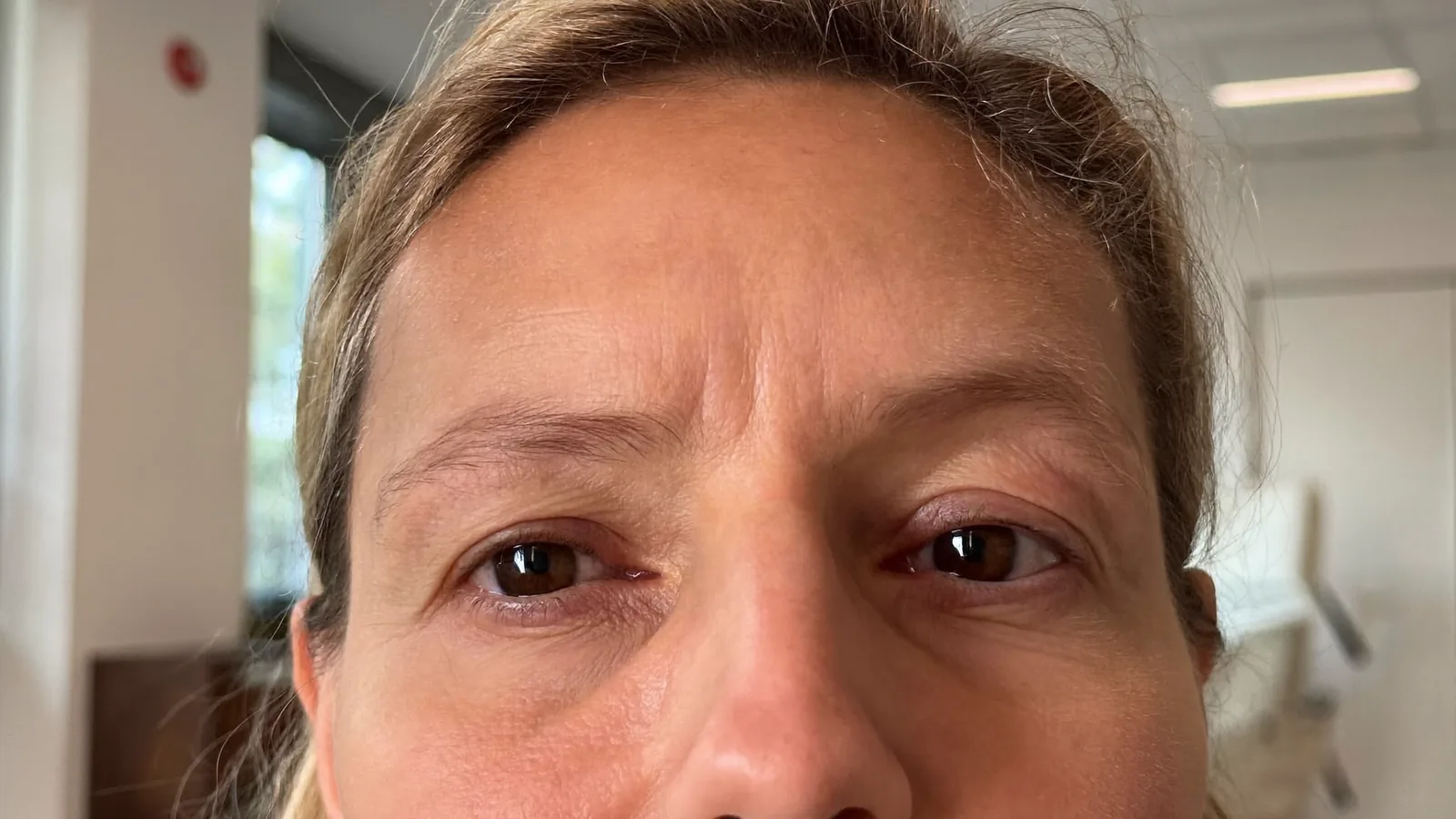
Which Eyelid Surgery Option Suits Whom?
Which method suits you mostly depends on the source of the complaint: blepharoplasty for excess skin and tissue, ptosis surgery for lost muscle function, fat transfer for volume loss, brow lift for a low brow; dissatisfaction with a previous operation points to revision surgery. Because more than one finding can be present, this overview alone is not enough — the decision guide on which eyelid surgery is right for me gives a more detailed, step-by-step path based on age, complaint and expectations.
The first distinction at the examination is usually whether sagging comes from muscle-related drooping (ptosis) or excess upper-lid skin, since the two need different operations and confusing them risks the wrong method. The animated diagram above shows these two states and the normal lid position side by side, illustrating why the margin's position relative to the pupil changes. An individual assessment, including levator function, is made at the examination.
Does Under-Eye Swelling Always Require Surgery?
Under-eye swelling or bagginess is not always a permanent tissue excess. Allergies, salt intake, poor sleep, crying, fluid retention, thyroid dysfunction or some kidney-related issues can also cause temporary swelling that usually subsides within days once the cause is addressed. By contrast, ptosis and dermatochalasis (permanent excess eyelid skin) cause swelling or sagging that is permanent, does not subside, and can worsen over time.
The distinction is usually made by how the complaint behaves: swelling worse in the morning and easing during the day suggests a temporary cause, while a change progressing slowly over months without subsiding suggests a permanent tissue problem. Only the examination can tell which applies; if needed, a referral investigates an underlying systemic cause.
Making this distinction early avoids both an unnecessary surgical evaluation and delaying a condition that actually needs surgery. For example, morning-worse swelling that eases through the day usually points to fluid retention or poor sleep, while bagginess that has become permanent over years can raise a surgical evaluation such as lower blepharoplasty or fat transfer; the eye examination clarifies which applies.
Two Resources to Help Clarify Your Decision
For more detail on which method fits your complaint, these two resources can help. The first is a personalised decision guide covering age, complaint and expectations in turn; the second compares the six methods in one table by target tissue, suitable profile and recovery time. Neither decides for you — both prepare you for the examination. The guide suits patients unsure of their complaint's source; the table suits those choosing between methods.
Which Surgery Is Right for Me?
A step-by-step decision guide showing which of the six methods (or which combination) may suit you, based on your complaint, eyelid skin condition and muscle function.
See the decision guideProcedure Comparison
Upper blepharoplasty, lower blepharoplasty, ptosis surgery, fat transfer, brow lift and eyelid revision surgery compared in a single table by target tissue, suitable patient profile and recovery time.
See the tableHow Are Eyelid Surgery Methods Compared?
For a side-by-side view of the six methods, see the procedure comparison page, which summarises target tissue, suitable profile and recovery time. For patients weighing surgery against filler under the eyes, the under-eye surgery vs dermal filler comparison explains when the non-surgical option may be enough and when surgery is needed.
The aim is not to show one method as superior but which method fits which clinical picture — the same complaint can point to different methods in different patients. A comparison of which tissue layer each method targets follows below; see the procedure comparison page for the full table.
The final choice is always made at the examination, independent of these comparisons, which are a general framework rather than a self-diagnosis tool.
Which Tissue Layer Does Each of the Six Methods Target?
The key difference is which tissue layer is targeted: blepharoplasty targets skin and fat, ptosis surgery muscle function, fat transfer volume loss, brow lift brow position. Revision surgery targets the outcome of a previous operation rather than a specific tissue, so it has no separate marker below; which layer it revisits depends on that earlier result.
Blepharoplasty and ptosis surgery aim for a permanent change, while how much transferred fat takes hold permanently varies by person — worth keeping in mind. This table shows a general tendency, not that one method is superior; more than one layer can be affected at once, in which case combining methods is assessed at the examination.
For example, the upper lid may have both excess skin and mild muscle drooping; whether blepharoplasty and ptosis surgery should be combined is clarified through levator function measurement.
| Upper blepharoplasty | Lower blepharoplasty | Ptosis surgery | Fat transfer | Brow lift | Eyelid revision surgery | |
|---|---|---|---|---|---|---|
| Targets skin/fat tissue | ✓ | ✓ | — | — | — | — |
| Targets muscle function | — | — | ✓ | — | — | — |
| Targets volume loss | — | — | — | ✓ | — | — |
| Targets brow position | — | — | — | — | ✓ | — |
How Is the Pre-Surgery Evaluation Done for Eyelid Surgery?
An eye examination always precedes eyelid surgery, assessing the lid's anatomy, dry eye status and overall eye health, since lid surgery can affect the eye's surface and lubrication. Levator function is measured and the lid margin's position relative to the pupil and brow line is documented, photographed if needed — measurements that help plan surgery and later assess the change achieved.
The examination also covers general health history, medications (especially blood thinners), conditions such as uncontrolled thyroid disease, and any previous eyelid surgery; for patients on blood thinners, any pre-surgery adjustment is planned with the prescribing physician. If dry eye is suspected, simple tear-film tests may be done, since tear distribution can change temporarily after lid surgery.
This evaluation decides which method is safe to apply and whether it should stand alone or combine with another.
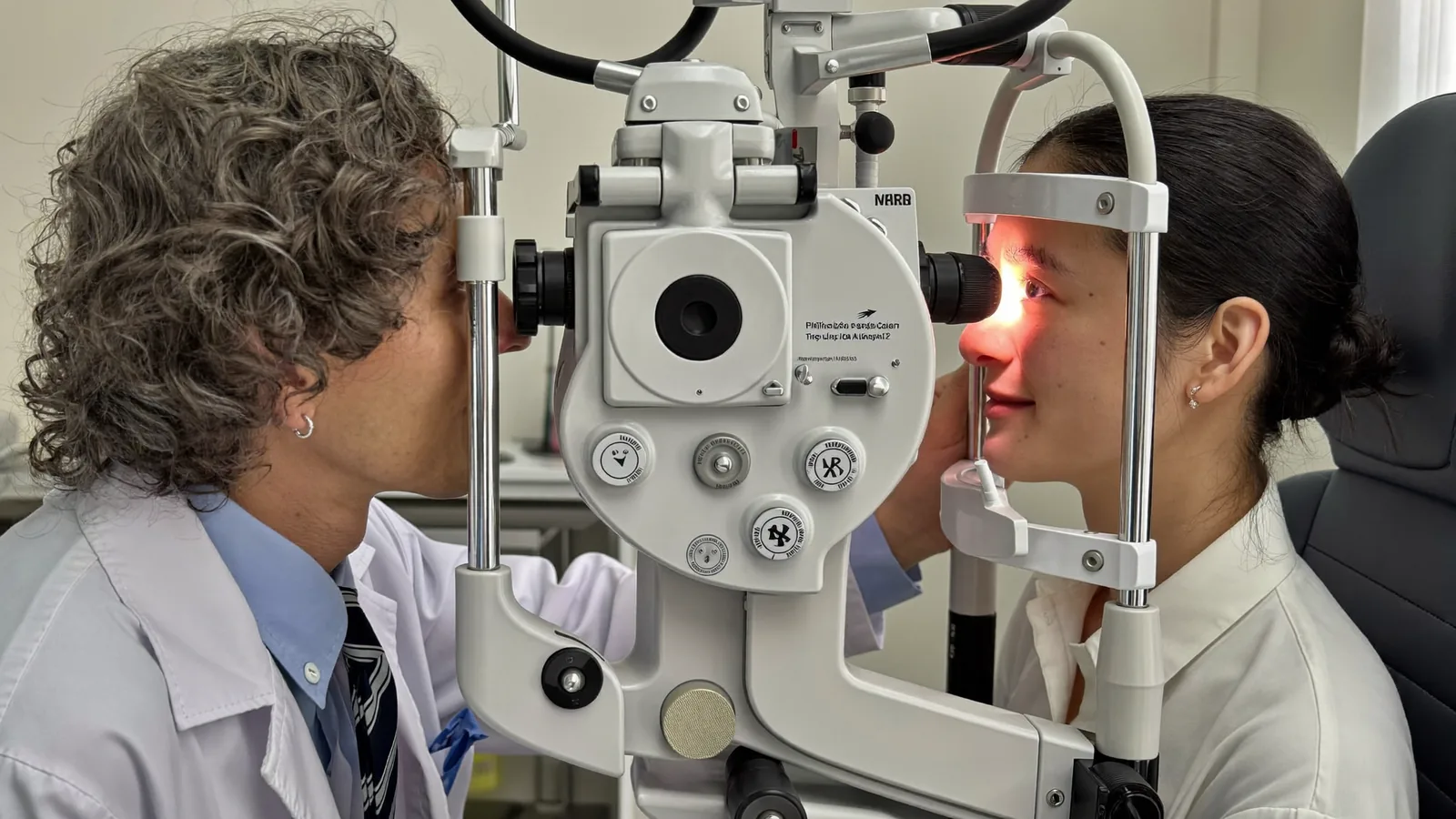
What Is the Doctor's Approach to Eyelid Surgery?
Eyelid surgery affects not just appearance but the lid's role in protecting, blinking and closing the eye, so evaluation is best done by an eye specialist who can assess eye health as a whole. Op. Dr. Anıl Kaya plans eyelid surgery around lid function, dry eye level and overall eye health, not the cosmetic goal alone, aiming for a lid that closes safely and looks natural.
The initial consultation covers the complaint's source, expected change and the surgery's limits; when several methods suit, each option's advantages and limits are explained separately. The same doctor accompanying the patient from examination to post-surgery check-up helps catch any recovery issue early.
Tissue removal is planned cautiously to keep the lid closing safely; avoiding over-removal is a priority both functionally and cosmetically. What the method can and cannot achieve is shared openly before any decision.

What Is the General Flow on the Day of Eyelid Surgery?
Though the method differs, most eyelid surgeries follow a similar day flow; the difference lies mainly in the tissue layer worked on and whether the incision is through the outer skin or the inner lid surface (transconjunctival). Procedures are day cases and patients usually go home the same day. The steps below outline the common framework; each method's specific details (anaesthesia type, incision site, tissue amount) are on its own page. Procedure time for one side is generally 30–60 minutes, longer if both lids are planned together.
- 1Pre-operative assessment and marking. The amount of tissue to be removed and the incision line are marked on the eyelid while the patient is seated.
- 2Anaesthesia. The procedure is mostly performed under local anaesthesia, with light sedation support if needed.
- 3Surgical procedure. Depending on the method chosen, excess tissue is removed, muscle function is corrected, or fat tissue is repositioned.
- 4Check-up and discharge. The procedure is completed as a day case; the patient goes home the same day, and the first check-up is scheduled within a few days.
What Is the Recovery Timeline After Eyelid Surgeries?
Swelling and bruising are expected in the first days and ease with cold compresses; keeping the head elevated in the first 24–48 hours can help swelling subside faster. Stitch removal varies by method: about 5–7 days for upper blepharoplasty, about a week for lower blepharoplasty with an external incision (transconjunctival leaves no visible stitches), and about a week for ptosis surgery. The first noticeable improvement in upper and lower blepharoplasty is usually within 1–2 weeks; for ptosis surgery the first check-up is within a few days, with further improvement varying by the levator muscle's state. Temporary tightness, mild stinging or dryness may occur, managed with drops or ointment as advised. The final result can take a few months to settle in all three methods. The timeline below compares stitch removal and first improvement across methods; timing varies by person and the exact schedule is set at follow-up visits.
How Does the Recovery Timeline Compare Across Three Surgeries?
What Situations Can Occur After Surgery?
Swelling and bruising are expected and temporary in every patient; severity and how fast they fade depend on skin type and healing capacity. Rarely, asymmetry, temporary dry eye, temporary difficulty closing the lid fully, or slight outward turning of the lower lid (ectropion) can occur, usually resolving with recommended care such as artificial tears or moisturising gel.
Smoking and uncontrolled diabetes can slow healing and are factored into the assessment. If the result is under- or over-corrected, a minor correction can be considered once healing is complete — this falls under revision surgery.
When reviewing before-and-after images, remember every eyelid is different, so results vary; these images give a general idea, not a promised outcome. Contact the doctor for any unusual pain, sudden vision change, or uncontrolled bleeding.
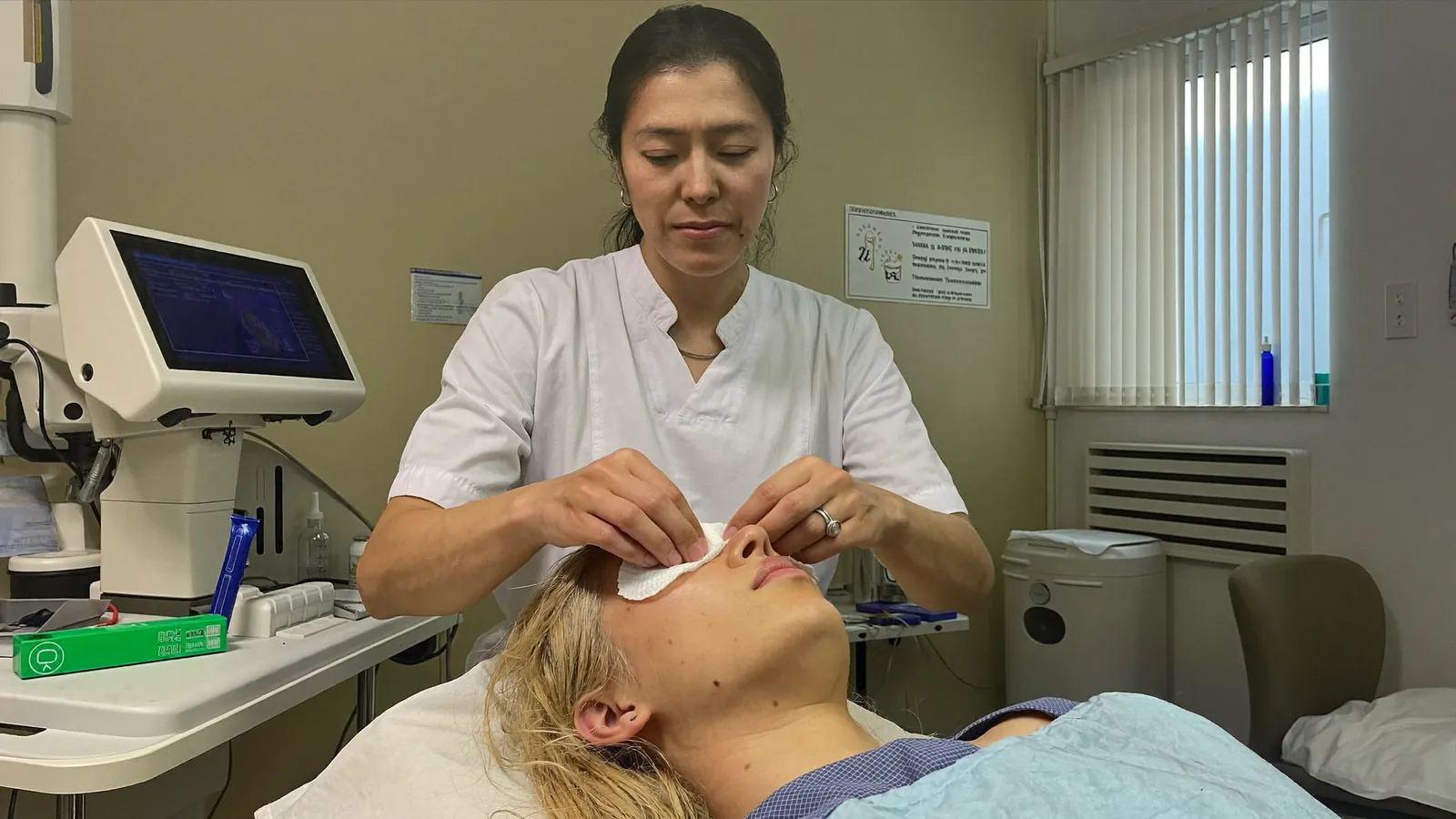
How Does the Post-Surgery Follow-Up Schedule Work?
Follow-up runs in stages, from stitch removal to a final assessment; keeping to the doctor's schedule supports a smooth recovery. The first check-up assesses swelling, bruising and healing; later check-ups focus on lid-crease symmetry and function. The schedule below is a general framework for the six methods — exact dates depend on healing speed, method used, and whether another method was combined. Keeping check-up appointments helps catch any asymmetry or unexpected issue early.
| Check-up | Approximate Time | What Is Assessed |
|---|---|---|
| First check-up | Within a few days | Swelling, bruising, overall healing |
| Stitch removal | About 5–7 days (depending on method) | Healing of the incision site |
| Later check-up | Within a few weeks | Lid crease and symmetry |
| Final assessment | Within a few months | Permanent result and need for a minor correction, if any |
Frequently Asked Questions About Eyelid Surgery and Ptosis
Below are the questions patients most often ask at the examination about eyelid surgery, ptosis and blocked tear duct, along with brief answers; an examination is required for details specific to you.
How long does ptosis surgery take?
Ptosis surgery usually takes 30–60 minutes; the time can vary depending on the eyelid's anatomy and the technique used.
What are the risks of ptosis surgery?
Risks include bleeding, infection, asymmetry and, rarely, less or more correction than expected; these are explained to the patient individually at the examination.
Is blepharoplasty performed differently in men than in women?
Because lid crease and brow position can differ by gender, the tissue amount removed and the targeted appearance are planned at the examination to account for this.
Are the results of eyelid surgery permanent?
Blepharoplasty and ptosis surgery aim for a permanent tissue change, but since natural ageing continues, re-evaluation may be needed later in life.
Is non-surgical eyelid rejuvenation (plasma/laser) possible?
Non-surgical methods such as plasma pen or laser skin tightening are offered at various clinics; this page covers surgical methods for significant excess skin or muscle, and a non-surgical option's suitability needs separate assessment.
How long do bruising and swelling last after eyelid surgery?
Bruising usually fades noticeably within 1–2 weeks, while mild swelling can last a few weeks; timing varies with the person's skin type.
Which doctor should I see for eyelid surgery?
Because eyelid surgery directly affects the eye's closing and protective function, evaluation is carried out by an eye specialist who can also assess eye health.
What determines the price of eyelid surgery?
Price varies with the method used (blepharoplasty, ptosis surgery or fat transfer, for example), the eyelid's condition and individual assessment; exact figures follow the examination.
How soon can I return to work/daily life after eyelid surgery?
Most patients return to daily life within a few days; visible bruising and swelling fully fading can take a little longer. Exact timing depends on the method and individual healing.
From what age can eyelid surgery be performed?
There is no fixed age limit; the decision is made at the examination based on eyelid structure, the nature of the complaint (functional or cosmetic) and general health.
Does eyelid surgery also correct my vision clarity?
Where a drooping lid narrows the visual field, that field can widen after surgery; but the procedure does not correct the eye's refractive error (your glasses prescription), a separate matter.
References
- Aponeurotic Ptosis — EyeWiki (American Academy of Ophthalmology), 2026
- What Is a Blocked Tear Duct? — American Academy of Ophthalmology (AAO), 2015
Book a Consultation
To find out which method could address your eyelid sagging, puffiness, drooping or watering, book a consultation with Op. Dr. Anıl Kaya and learn your individual assessment at the examination.
Find the Right Path for You
There are many different conditions and options in this area — browse by topic below, or answer a few questions to see the step closest to your situation.
Explore by Topic
The Basics
4 pagesTreatment
7 pages- Upper Blepharoplasty (Upper Eyelid Surgery)
- Lower Blepharoplasty (Lower Eyelid Surgery)
- Ptosis Surgery (Droopy Eyelid Surgery)
- Under-Eye Fat Transfer
Comparisons
2 pagesDecision Support
1 pageFind What Suits You
The tool will load shortly — or you can contact us directly.



Ophthalmologist · Kartal, Istanbul
Why Op. Dr. Anıl Kaya?
Related Pages
Under-Eye Fat Transfer
Brow Lift Surgery
Tear Duct Treatment
Why Do Under-Eye Bags Form?
What Causes a Sagging Upper Eyelid?
Which Eyelid Surgery Is Right for Me?
Comparing Eyelid Surgery Procedures
Under-Eye Surgery or Dermal Filler?
What Is a Full Eye Examination, and What Does It Check?
Contact and Appointments