Which Laser Eye Surgery Is Right for Me?
Refractive error, corneal thickness, topography, dry eye and lifestyle all shape the choice between TransPRK, Femto LASIK and SMILE. Book a consultation in Istanbul.
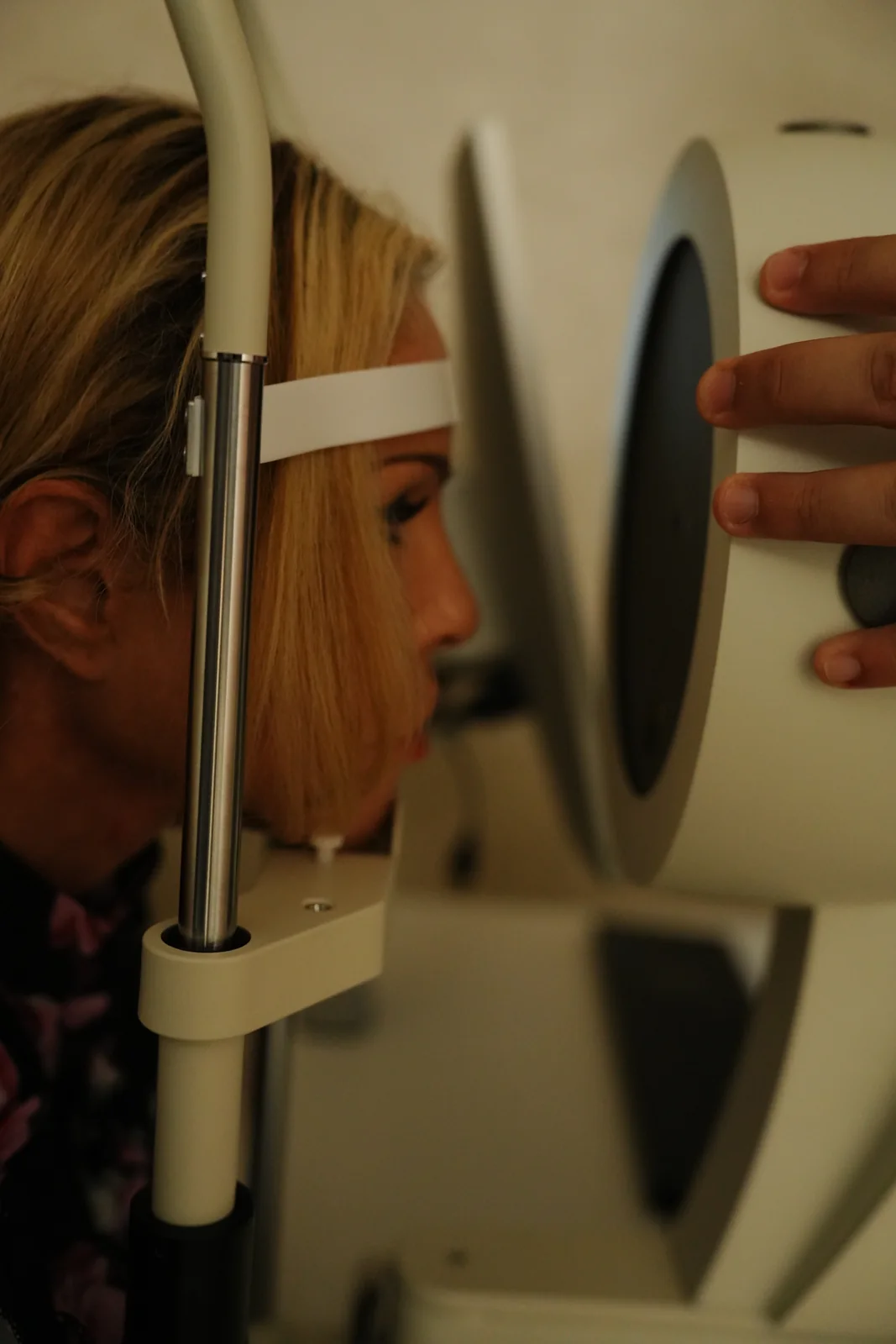

Which laser eye surgery suits you depends on the type and degree of your refractive error, clinical measurements such as corneal thickness and topography, and your dry eye status and lifestyle expectations. This page explains the deciding factors only; the final choice between TransPRK, Femto LASIK and SMILE is confirmed at a suitability assessment.
Written by Op. Dr. Anıl Kaya
The Patient's Question
Patients with myopia, hyperopia or astigmatism who want to see clearly without glasses or contacts often ask which of the three laser techniques — TransPRK, Femto LASIK or SMILE — would suit them. This page does not diagnose; it explains which factors matter, and that the final decision is only made after an examination. The evaluation follows the sequence below, each step building on the last.
How Does the Assessment Process Work?
Age / Patient Group
Laser eye surgery is generally considered once a prescription has settled, usually in adulthood. In younger patients whose prescription is still changing, the surgeon may recommend waiting for it to stabilise before advising treatment. How long it has been stable is usually checked against earlier prescriptions, so bringing any previous records to the consultation is helpful.
The Underlying Condition
Myopia, hyperopia and astigmatism are the three refractive errors most commonly addressed with laser eye surgery. Which is present, and to what degree, is the first factor in choosing a suitable technique. The three can occur alone or in combination — myopia and astigmatism are often found together — which does not change the technique chosen, only that both values are factored into the laser calculation.
Severity of the Condition
As the degree of refractive error increases, some techniques approach the limits of what they can safely correct. In very high myopia, for instance, if corneal thickness is not sufficient, an alternative to laser treatment may be considered instead. Generally, the higher the prescription to be corrected, the more corneal tissue must be removed, so corneal thickness plays a more decisive role for patients with a higher prescription.
Clinical / Anatomical Criteria
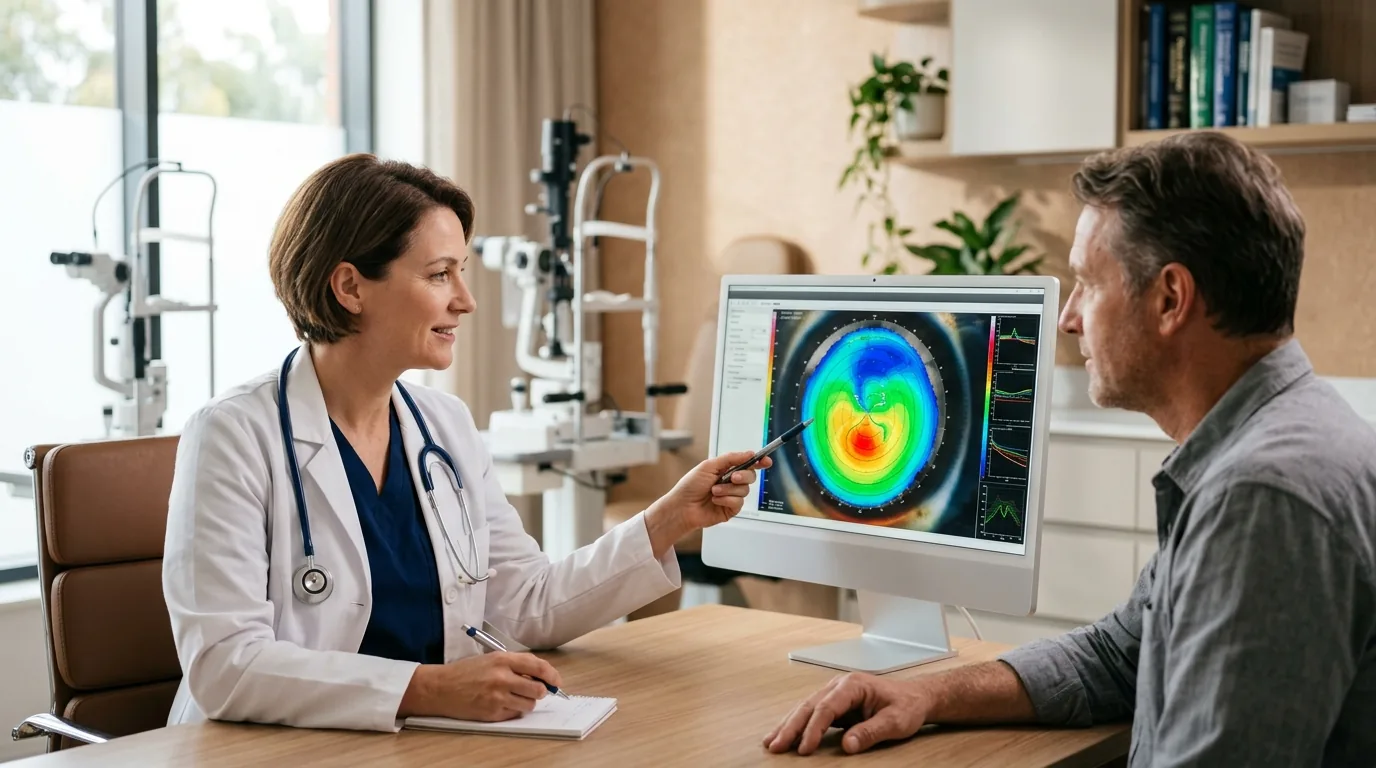
Corneal thickness, corneal curvature (topography), dry eye severity, intraocular pressure and overall eye structure are the key anatomical criteria for choosing a safe technique. Below a certain thickness, flap-free techniques (TransPRK, or SMILE in suitable cases) may be favoured over Femto LASIK, since less stroma remains once tissue is set aside for its flap. An irregular topography, especially signs of keratoconus, may rule out laser surgery in favour of a different path, and marked dry eye may call for tear-film treatment first. All of this is assessed at the laser eye surgery suitability assessment, covered separately.
Previous Treatments
Previous contact lens wear, past dry eye treatment, or earlier eye surgery can influence which technique is chosen and should be discussed with the surgeon. Long-term rigid lens wear can temporarily alter the cornea's shape, so patients may be asked to stop wearing them for a while beforehand so the cornea can settle. Any previous eye surgery, with its date and type, should also be shared, for an accurate picture of the cornea's current state.
Lifestyle
For patients who play contact sports, whose occupation carries a risk of eye impact, or who are prone to dry eye, some techniques may suit them better than others, alongside expectations around recovery time. A contact-sport player, for example, may be better suited to a flap-free technique, which removes the risk of flap displacement; if returning to work quickly matters most, a faster-recovery technique may be more appropriate.
The Patient's Expectations
How completely a patient wants to be free of glasses, how much recovery time they can allow, and how quickly they need to return to work are subjective factors weighed when choosing a technique — as long as they do not conflict with medical suitability. A technique that is not medically appropriate is never recommended, even on request; a clear priority is simply weighed among whichever techniques remain medically suitable.
Possible Techniques
The assessment usually compares TransPRK (no-touch PRK), Femto LASIK and, for myopia and astigmatism, SMILE (KLEx), each with its own criteria and limitations. TransPRK and SMILE are performed without creating a flap, while Femto LASIK relies on cutting a thin corneal flap; SMILE is used only for myopia and astigmatism, not hyperopia. The table below summarises these two differences, though the final recommendation depends on all the factors above, taken together.
| PRK | Femto LASIK | SMILE | |
|---|---|---|---|
| No flap created | ✓ | — | ✓ |
| Used for hyperopia | ✓ | ✓ | — |
Why These Techniques?
These three techniques are the ones most commonly used in laser eye surgery today, and which one is recommended becomes clear once the criteria above are weighed together at the examination. All three are approved, well-established techniques, so the decision rests on the patient's own measurements, not on one technique being newer — a surgeon favours one technique because it most closely matches that patient's measurements, not because it is generally superior.
Compare the Techniques
Patients wanting more detail on the differences between TransPRK, Femto LASIK and SMILE can turn to three separate comparison pages, covering recovery time, how each feels in the first few days, and differences in the procedure itself. Those pages give a more direct view for anyone choosing between two specific techniques, while this page offers a broader framework covering all three — useful preparation before an examination.
Frequently Asked Questions
How do I decide whether to go ahead with laser eye surgery?
The decision becomes clear after an examination that looks at your corneal structure, the degree of your refractive error and your lifestyle expectations together; this page only explains the general criteria involved.
Which of the three techniques is better?
No single technique is universally better for every patient; suitability varies from person to person and is determined at the examination.
Do I have to come in for an examination before a decision can be made?
Yes — without measurements such as corneal thickness and structure, a safe recommendation cannot be made.
Are there any laser techniques besides TransPRK, Femto LASIK and SMILE?
These three are the techniques most commonly used today; if none of them is found suitable at the examination, non-laser alternatives such as ICL are considered instead.
Can more than one technique be used on the same person?
No — each eye is treated with a single technique; however, if the two eyes show different findings, different techniques may occasionally be considered for each, depending entirely on the examination results.
A Final Decision Needs an Examination
This page offers general guidance; only a laser eye surgery suitability assessment — corneal thickness measurement, topography and a general eye examination — can support a final decision. If corneal thickness is insufficient for laser treatment, an alternative such as ICL (phakic lens) may be considered; appointments can be arranged through the contact page. The measurements taken are explained to the patient in detail, along with the reasoning behind the recommendation; if the two eyes differ, different techniques may even be recommended for each.
Find the Right Path for You
There are many different conditions and options in this area — browse by topic below, or answer a few questions to see the step closest to your situation.
Explore by Topic
The Basics
4 pagesDiagnosis & Methods
1 pageComparisons
3 pagesDecision Support
1 pageFind What Suits You
Laser Eye Surgery RoadmapA few questions, the right next step for you

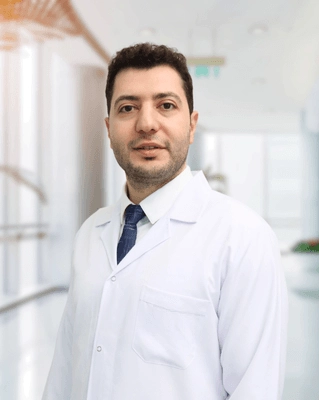
Ophthalmologist · Kartal, Istanbul
Why Op. Dr. Anıl Kaya?
Related Pages
Would you like to contact the doctor with a Laser assessment tailored to you?
There are two ways. If you would like the doctor to know your situation before replying, complete the Laser Roadmap first; if your question is short, write directly. Both reach the same team.
Your age and a short sentence are enough; no medical terms needed. What you write is only sent when you send it; this page stores no information.