
My Prescription Keeps Changing — Is That Normal?
A prescription rising at each check usually means myopia is progressing, common while growing up. If it keeps rising in adulthood, message our Istanbul clinic on WhatsApp.
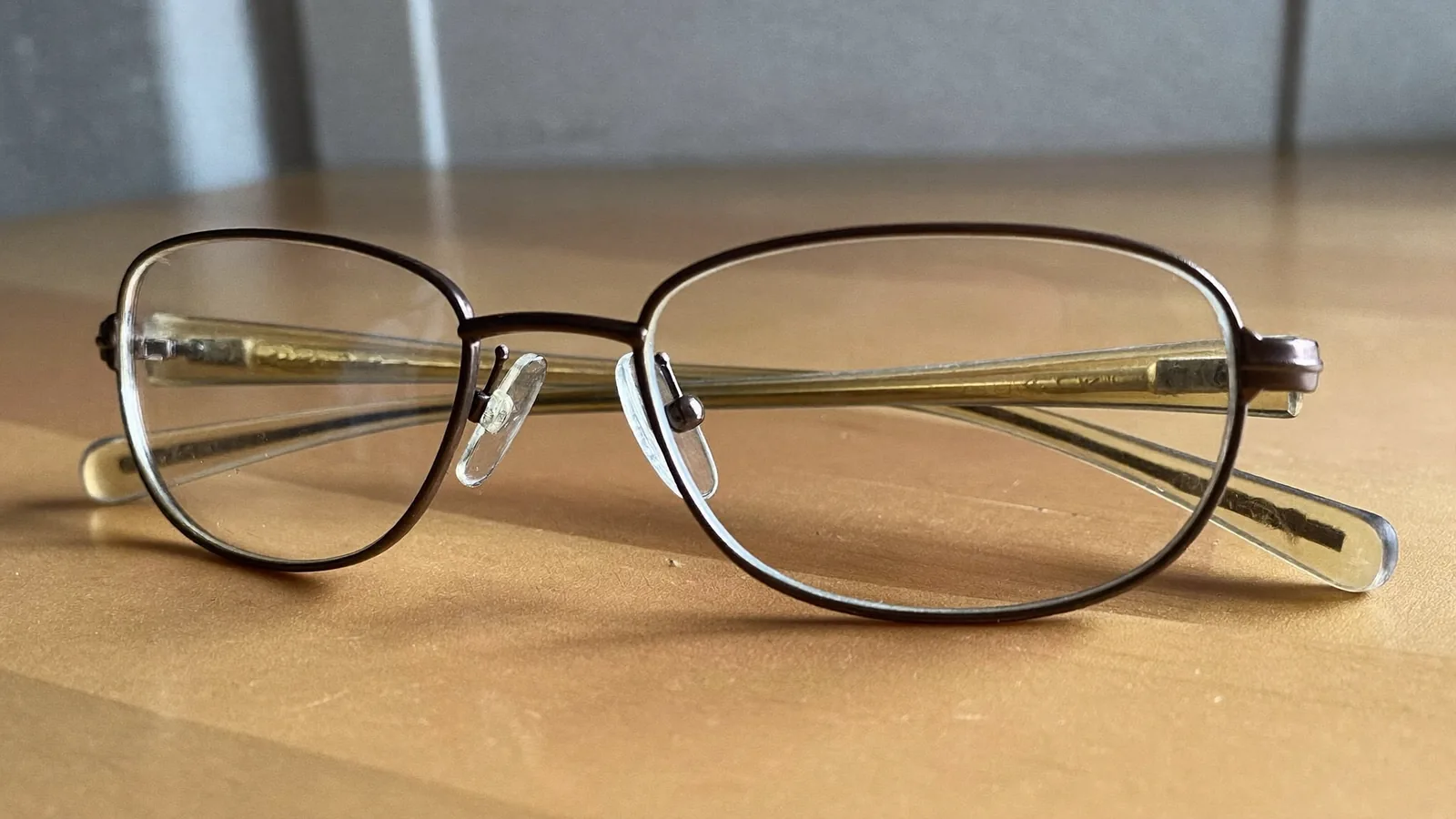

When a prescription keeps rising at every check, it usually means myopia is progressing — common and expected during childhood and the teenage years. If it keeps rising in adulthood, or rises faster than expected, this can point to high myopia and should be assessed with a detailed eye examination.
Written by Op. Dr. Anıl Kaya
My Prescription Keeps Changing — Is That Normal?
Finding that your prescription is higher at every check-up can be worrying. For some people this is a natural, age-related pattern; for others, it signals progression that needs closer monitoring.
This page covers the most common causes of a rising prescription, when it needs closer assessment, and how an eye surgeon works through the concern.
What Does a Rising Prescription Mean?
A prescription that keeps rising over time usually means myopia (short-sightedness) is progressing. This is common during childhood and the teenage years, alongside the eye continuing to grow, and most change at that age is expected. If it keeps rising into adulthood, or rises faster than expected, the cause needs a closer look.
How quickly the prescription rises, the age it started, and whether it affects one or both eyes help a surgeon judge whether this is expected or progression needing follow-up — which is why previous prescriptions are a useful reference at the appointment.
The pace of change matters as much as the change itself: a small, steady rise each year points to an expected pattern, while large jumps over short periods, or a rise that speeds up in only one eye, may prompt a more detailed assessment.
What Are the Most Common Causes of a Rising Prescription?
The most common cause is myopia progressing naturally, tied to the eyeball continuing to grow at a young age; a family history of high myopia can make this more pronounced.
Less often, irregular contact lens wear and long periods focusing up close — screens, reading — are also linked with prescription change; screen time's role is still debated in the literature and not accepted as a cause on its own.
A rarer but important cause is a progressive corneal condition such as keratoconus, where the cornea thins and becomes irregular, usually with a noticeable change in astigmatism too. Temporary states such as dry eye or fluctuating blood sugar can also make the prescription swing, so not every change means permanent progression.
The mechanism behind natural progression is the eyeball's axial length continuing to grow; as the eye lengthens, the focus point moves further from the retina, and the prescription rises to match. This growth usually slows with age but can continue into adulthood in some patients. The diagram below summarises these causes by how common they are.
Most Common Causes of a Rising Prescription
Which Conditions Can Cause a Rising Prescription?
A persistently rising prescription usually points to progressing or high myopia; less often, it involves a marked change in astigmatism or an underlying condition such as keratoconus. Which applies to you can only be clarified with a detailed eye examination; below is a brief overview of each possibility.
Each condition follows its own course and needs a different assessment; for example, follow-up for high myopia focuses mainly on the prescription and the back of the eye, while suspected keratoconus calls for corneal topography and pachymetry. The exact cause can only be confirmed by examination — the information here is a general framework.
High Myopia
Once your prescription passes a certain threshold, it is classed as high myopia — read where that threshold lies and what the treatment options are.
Read about high myopiaAstigmatism
Irregularities in the curve of the cornea can mean a rising prescription is accompanied by a change in astigmatism too.
Read about astigmatismICL (Phakic Lens) Assessment
If your prescription has reached the high myopia threshold, ICL can be considered as a permanent treatment option.
Read about ICLFull Eye Examination
The first step in identifying the real cause of a rising prescription is a detailed eye examination.
Read about the examinationWhen Does a Rising Prescription Need Closer Attention?
If the rising prescription comes with a sudden drop in night vision, floaters, flashes of light, or a shadow across your vision, this calls for a more urgent assessment. In eyes near or past the high myopia threshold, the longer eyeball means these symptoms may need a further look from a retinal perspective — covered on our retinal diseases page.
Without these symptoms, a rising prescription is not usually an emergency, and a routine eye examination is enough. Whenever you are unsure, the safest approach is to book an examination rather than judge the urgency yourself.
How Does an Eye Surgeon Assess a Rising Prescription?
The surgeon first compares the change against your past records, so bringing previous prescriptions or old results to the appointment speeds up the assessment. A refraction test, corneal topography and, if needed, a fundus examination then look for the cause; reading these together clarifies whether the change is expected or progression needing closer follow-up. Our separate page covers how this fits into a full eye examination.
The order of these steps can be adapted to what you describe and what the examination shows; for example, an irregular topography finding may prompt further measurements to check for keratoconus. The diagram below summarises the general order this assessment follows.
How a Rising Prescription Is Assessed
How Does Treatment Differ Depending on the Cause?
Treatment depends on the cause, so this must be clarified first. If the prescription is not yet stable, or the rise is mild, updating the glasses or lens prescription with regular follow-up is usually enough; if it has reached the high myopia threshold and a permanent solution is wanted, surgery comes into the picture.
If corneal topography suggests keratoconus, the approach changes completely; the priority becomes stabilising the cornea, and permanent treatments wait until this is clarified. The same complaint can need different treatment in different patients, so the decision rests on an individual examination.
Updating the Glasses or Lens Prescription
If the prescription is not stable, or is low, updating the glasses or contact lens prescription is usually enough.
Regular Follow-Up
If the prescription is not yet stable, eye examinations at set intervals are recommended to track how fast it is changing.
ICL Assessment
If the prescription has reached the high myopia threshold and a permanent solution is wanted, ICL (phakic lens) can be considered.
Read about ICLLaser Suitability Assessment
Once the prescription is stable and the corneal structure is suitable, laser methods can also be considered as an option.
Read about the suitability assessmentFrequently Asked Questions
My prescription goes up a little every year — is that normal? This can be expected, especially in childhood and the teens; a noticeable rise into adulthood should be assessed separately.
When does the prescription stop rising? This varies; in most people, progression slows in adulthood, though it can continue in some.
If my prescription keeps rising, can I have surgery? Surgery decisions start with checking stability; permanent treatment is not usually recommended while it is still changing.
Is high myopia dangerous? The prescription itself is not an emergency, but eye lengthening can mean extra retinal monitoring for some patients.
If my prescription is rising, do I have to have ICL? No; a permanent treatment is only considered for patients who meet the criteria and want it. Glasses or contact lenses can be enough day-to-day.
My prescription keeps rising — could it be keratoconus? When a rising prescription comes with a marked change in astigmatism, corneal topography can help assess for keratoconus — a rare but important possibility.
If my prescription keeps rising, will I lose the chance to have laser surgery? Laser is usually not planned before the prescription stabilises, but the option is not lost for good — once stable, laser can be reassessed if the cornea is suitable. If corneal thickness is insufficient, ICL is an alternative.
Does screen use make my prescription rise? Screen time's role in myopia progression is still debated and not accepted as a cause on its own; regular breaks during close-up work are still recommended for general eye health.
My prescription goes up a little every year — is that normal?
This can be expected, especially in childhood and the teens; a noticeable rise into adulthood should be assessed separately.
When does the prescription stop rising?
This varies; in most people, progression slows in adulthood, though it can continue in some.
If my prescription keeps rising, can I have surgery?
Surgery decisions start with checking stability; permanent treatment is not usually recommended while it is still changing.
Is high myopia dangerous?
The prescription itself is not an emergency, but eye lengthening can mean extra retinal monitoring for some patients.
If my prescription is rising, do I have to have ICL?
No; a permanent treatment is only considered for patients who meet the criteria and want it. Glasses or contact lenses can be enough day-to-day.
My prescription keeps rising — could it be keratoconus?
When a rising prescription comes with a marked change in astigmatism, corneal topography can help assess for keratoconus — a rare but important possibility.
If my prescription keeps rising, will I lose the chance to have laser surgery?
Laser is usually not planned before the prescription stabilises, but the option is not lost for good — once stable, laser can be reassessed if the cornea is suitable. If corneal thickness is insufficient, ICL is an alternative.
Does screen use make my prescription rise?
Screen time's role in myopia progression is still debated and not accepted as a cause on its own; regular breaks during close-up work are still recommended for general eye health.
References
- Myopia — American Academy of Ophthalmology — EyeWiki, 2026
- Digital Screen Time and Myopia: A Systematic Review and Dose-Response Meta-Analysis — JAMA Network Open, 2025
Book an Appointment
To find out what's behind your rising prescription and go through your options, you can book an appointment at Op. Dr. Anıl Kaya's clinic in Istanbul.
The examination checks whether your prescription is stable, your corneal structure, and the back of your eye; the result clarifies whether glasses or lens management, or a permanent option such as ICL or laser, is right for you.

Find the Right Path for You
There are many different conditions and options in this area — browse by topic below, or answer a few questions to see the step closest to your situation.
Explore by Topic
The Basics
2 pagesComparisons
1 pageFind What Suits You
ICL / Phakic Lens RoadmapA few questions, the right next step for you


Related Pages
Would you like to contact the doctor with a ICL assessment tailored to you?
There are two ways. If you would like the doctor to know your situation before replying, complete the ICL Roadmap first; if your question is short, write directly. Both reach the same team.
Your age and a short sentence are enough; no medical terms needed. What you write is only sent when you send it; this page stores no information.