ICL vs Laser Eye Surgery
With enough corneal thickness and moderate myopia, laser is usually first choice; ICL is favoured for thin corneas or very high myopia. Book a consultation in Istanbul.

There's no single answer to ICL vs laser eye surgery: when corneal thickness is adequate and myopia is moderate, laser eye surgery (PRK, Femto LASIK, SMILE) is usually the first choice, while ICL is favoured when the cornea is too thin or myopia is very high. A detailed eye examination clarifies which suits you.
Written by Op. Dr. Anıl Kaya
What's the Short Answer in the ICL vs Laser Comparison?
In short, laser (PRK, Femto LASIK, SMILE) is usually the first choice when corneal thickness is adequate and myopia is moderate; ICL tends to come to the fore when the cornea is too thin for laser or myopia is very high.
The two approaches differ in principle — laser reshapes the cornea, while ICL adds a lens inside the eye without touching it. Which one suits you only becomes clear once your corneal measurements and eye health are assessed; below we cover the key differences and who each method usually suits.
What Is ICL?
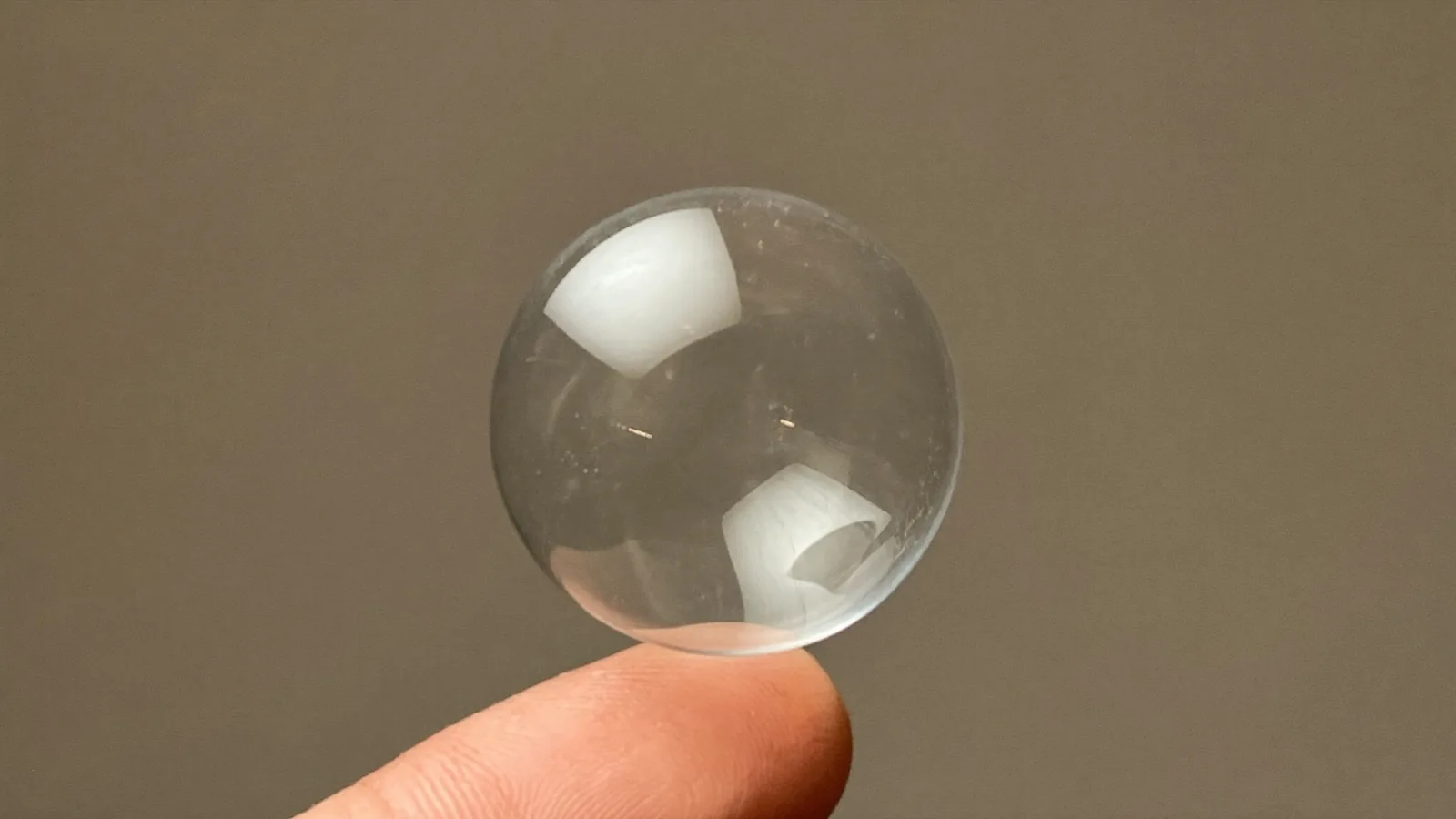
ICL (Implantable Collamer Lens) is a refractive procedure in which a thin artificial lens is placed between the iris and the eye's natural lens, without touching that lens. Because no corneal tissue is removed, it can also be used when corneal thickness is limited.
Unlike a laser assessment, the ICL work-up also measures anterior chamber depth and endothelial cell count, which determine whether the lens can sit safely inside the eye. Since the natural lens stays in place, ICL is generally removable or exchangeable in suitable patients if needed. Our ICL page covers how it's performed and who it suits.
What Are the Laser Eye Surgery Methods?
Laser eye surgery (PRK/No-Touch, Femto LASIK, SMILE) corrects refractive error by reshaping the cornea's surface or inner layers. The technique used depends on corneal thickness, the degree of myopia, hyperopia or astigmatism, and the eye's structure.
Because each technique works differently, recovery differs too — PRK, for instance, needs the epithelium to regrow, so it can take a little longer than flap- or lenticule-based techniques. The natural lens is left untouched in all three; the difference lies in which corneal layer is reshaped. We bring all the laser methods together on a separate page.
What's the Key Difference Between ICL and Laser?
The key difference is where each procedure acts: laser permanently reshapes the cornea, while ICL adds a lens inside the eye without touching it. This also sets each method's limits — in eyes with insufficient corneal thickness or very high myopia, laser can fall outside safe limits, while ICL works independently of these constraints.
ICL, in turn, involves placing a lens inside the eye, so it carries its own criteria, such as anterior chamber depth and endothelial cell count.
This also shapes planning: laser can usually treat both eyes in one session, while with ICL the second eye is usually done separately, so the first eye's healing can be observed.
How Do ICL and Laser Compare, Criterion by Criterion?
We summarise the key differences between ICL and laser — whether corneal tissue is touched, corneal thickness, and the myopia range each covers — in the comparison table on our ICL / Phakic Lens page. Here we focus on three practical differences that often shape the decision: how surgery is planned, how predictable recovery is, and which criteria are measured beforehand.
| ICL | Laser (PRK/Femto LASIK/SMILE) | |
|---|---|---|
| Both eyes are usually treated in the same session | — | ✓ |
| Recovery varies depending on the technique used | — | ✓ |
| Anterior chamber depth and endothelial cell count are also measured | ✓ | — |
Who Is ICL Suitable For in the ICL vs Laser Comparison?
ICL usually suits patients whose cornea is too thin for laser, whose myopia is very high, or whose corneal structure limits laser treatment. When anterior chamber depth and endothelial cell count measure up, ICL offers an alternative that doesn't touch the cornea at all.
Suitability only becomes clear after a detailed examination; our ICL page covers this further. Beyond the prescription itself, eyeball length and general eye health are also part of the assessment.
Who Is Laser Eye Surgery Suitable For in the ICL vs Laser Comparison?
Laser is usually the first choice when corneal thickness and structure are suitable and myopia, hyperopia or astigmatism fall within its safe limits. Treating both eyes in one session is also a practical advantage for some patients.
Which laser technique suits you also varies — the difference between PRK, Femto LASIK and SMILE depends on corneal thickness, any history of dry eye, and expectations around recovery. A separate page compares which method may suit your eyes better; our laser eye surgery page covers the full picture.
How Does the Doctor Choose Between ICL and Laser?
Op. Dr. Anıl Kaya first evaluates corneal thickness and topography, then considers myopia, anterior chamber depth and overall eye health together. These measurements often favour one method clearly; in some patients both are suitable, and the choice is shaped by the patient's expectations and lifestyle.
This also weighs any previous laser assessment the patient has had, whether the two eyes differ, and expectations around recovery — which is why two patients with similar measurements may be offered different methods.
If the prescription isn't yet stable, the decision is postponed regardless of which method is being considered; a lasting refractive correction can only be safely planned once the prescription has stabilised.

Which One Is Right for Me: ICL or Laser?
There's no universal answer here; without your corneal measurements and degree of myopia, it isn't possible to say which method suits you. A detailed eye examination, followed by a discussion with your doctor about what each option would mean for your eyes, is the most reliable way forward.
It helps to weigh the two methods against your own eyes rather than against each other — asking not "which is better overall" but "which suits me" — and that only becomes clear through examination. In some patients both are technically suitable, and the choice comes down to expectations and lifestyle. Our eye examination page covers how this works, and our high myopia page covers that picture further.

Frequently Asked Questions
Is ICL safer than laser? Neither is inherently safer; each carries its own risks, and suitability depends on the patient's eye structure.
Can everyone who isn't a candidate for laser have ICL instead? No — ICL has its own suitability criteria too, such as anterior chamber depth and endothelial cell count, so every patient is assessed individually.
Does recovery time differ between the two? The processes differ: ICL usually improves vision quickly, while laser recovery varies by technique. Details are on the relevant treatment pages.
Are both methods permanent? Laser permanently reshapes the cornea; an ICL lens can be removed or exchanged if needed.
If I need both eyes treated with ICL or laser, is it done on the same day? Laser can usually treat both eyes in one session; with ICL, the second eye is usually done separately. The examination findings and the doctor's assessment decide.
How different is recovery after ICL compared with laser? ICL vision usually improves quickly from the first few days. Laser recovery varies by technique — PRK, for example, needs the epithelium to regrow, so it can take a little longer than flap- or lenticule-based techniques (Femto LASIK, SMILE).
If I have astigmatism, which method can be used? Both can address astigmatism: laser reshapes the cornea, while ICL may use a toric lens instead of a standard one. Corneal measurements decide which suits you.
Is ICL safer than laser?
Neither is inherently safer; each carries its own risks, and suitability depends on the patient's eye structure.
Can everyone who isn't a candidate for laser have ICL instead?
No — ICL has its own suitability criteria too, such as anterior chamber depth and endothelial cell count, so every patient is assessed individually.
Does recovery time differ between the two?
The processes differ: ICL usually improves vision quickly, while laser recovery varies by technique. Details are on the relevant treatment pages.
Are both methods permanent?
Laser permanently reshapes the cornea; an ICL lens can be removed or exchanged if needed.
If I need both eyes treated with ICL or laser, is it done on the same day?
Laser can usually treat both eyes in one session; with ICL, the second eye is usually done separately. The examination findings and the doctor's assessment decide.
How different is recovery after ICL compared with laser?
ICL vision usually improves quickly from the first few days. Laser recovery varies by technique — PRK, for example, needs the epithelium to regrow, so it can take a little longer than flap- or lenticule-based techniques.
If I have astigmatism, which method can be used?
Both can address astigmatism: laser reshapes the cornea, while ICL may use a toric lens instead of a standard one. Corneal measurements decide which suits you.
Book a Consultation
To find out which method suits you, book an eye examination at Op. Dr. Anıl Kaya's clinic in Istanbul. It assesses corneal thickness and topography, anterior chamber depth, endothelial cell count, and prescription stability — together clarifying whether ICL or laser is the better fit.
Find the Right Path for You
There are many different conditions and options in this area — browse by topic below, or answer a few questions to see the step closest to your situation.
Explore by Topic
The Basics
2 pagesComparisons
1 pageFind What Suits You
ICL / Phakic Lens RoadmapA few questions, the right next step for you


Related Pages
Would you like to contact the doctor with a ICL assessment tailored to you?
There are two ways. If you would like the doctor to know your situation before replying, complete the ICL Roadmap first; if your question is short, write directly. Both reach the same team.
Your age and a short sentence are enough; no medical terms needed. What you write is only sent when you send it; this page stores no information.