
ICL (Phakic Intraocular Lens) Surgery
ICL places a lens between the iris and natural lens without reshaping the cornea, an option for high myopia or thin corneas. Check your suitability in Istanbul.


ICL (phakic intraocular lens) surgery corrects short-sightedness by placing a thin artificial lens between the iris and the eye's own natural lens, without reshaping the cornea. It particularly suits patients with high myopia or a cornea too thin for laser surgery; suitability is confirmed at a detailed eye examination.
Written by Op. Dr. Anıl Kaya
What Is ICL (Phakic Lens)?
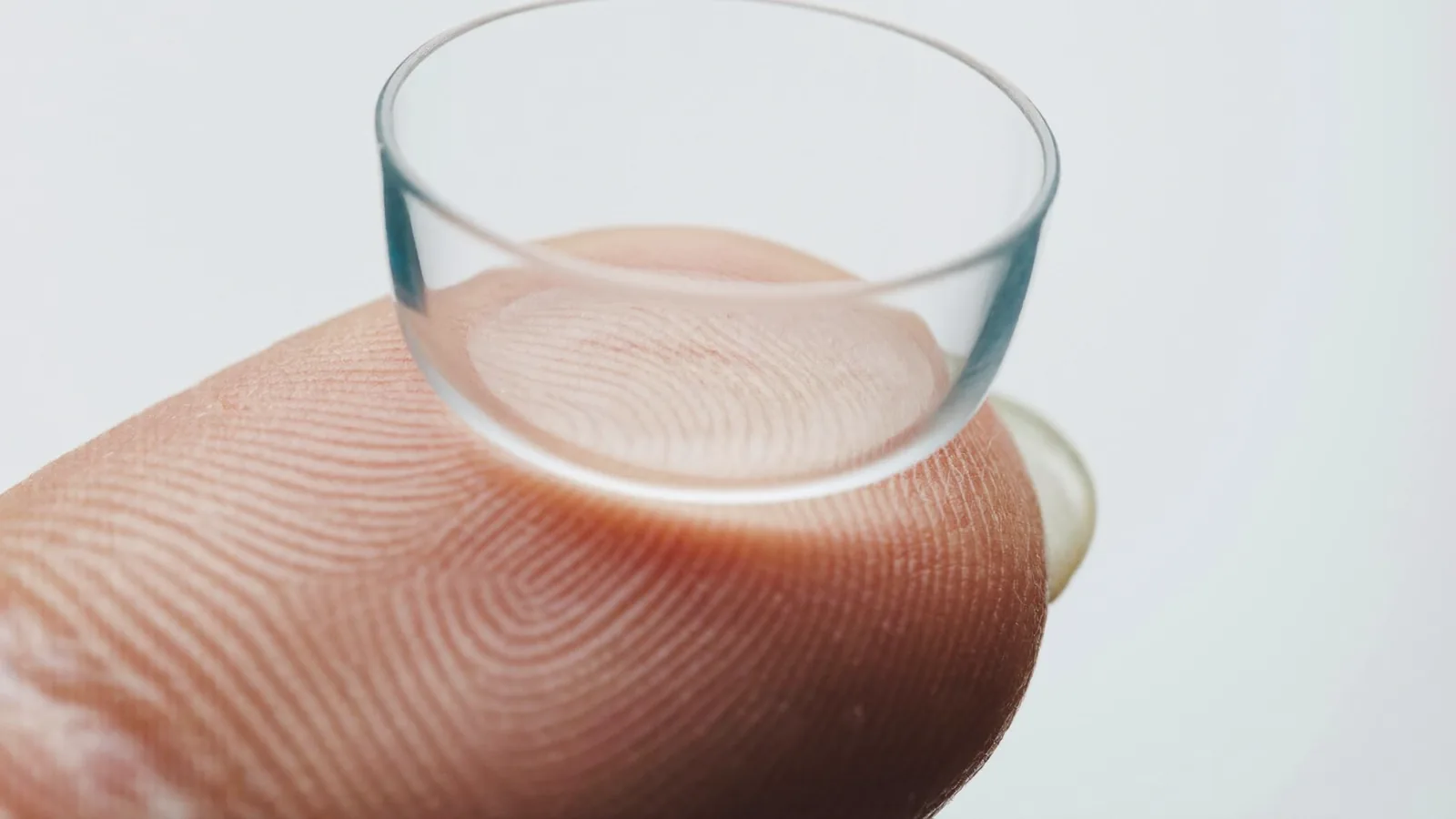
ICL, short for Implantable Collamer Lens, is a refractive procedure that places a thin, flexible artificial lens between the iris and your own natural lens, without touching that lens at all. It is sometimes called a phakic intraocular lens; "phakic" means the eye's natural lens stays in place, unlike in cataract surgery, where it is removed.
Because the cornea is never reshaped, ICL stands out for patients whose corneal thickness is insufficient for laser surgery or whose myopia is particularly high. Op. Dr. Anıl Kaya assesses ICL suitability at his Istanbul clinic through a detailed eye examination; the lens power, model and dimensions are calculated individually before any decision to operate. You can begin this assessment by booking an appointment; this page covers how ICL works, who it suits, how it compares with laser surgery, and what recovery involves.
What Material Is the ICL Lens Made From?
The lens material used in ICL is called Collamer, which contains a small amount of collagen and is generally regarded as compatible with eye tissue. This helps the lens be well tolerated once implanted and limits its interaction with surrounding tissue; some models also include a UV-filtering layer.
The lens is foldable, so it can be introduced through a very small incision and then unfold by itself inside the eye, reaching its final size. Its power, diameter and — where astigmatism is present — axis are worked out individually from the pre-operative measurements; no ready-made, one-size lens is used.
Although Collamer has long been used in phakic lens procedures, tissue response varies from patient to patient, so the choice of lens depends on the patient's overall eye health and examination findings as well as standard criteria.
What Symptoms Lead Patients to Ask About ICL?
Patients who come in for an ICL assessment tend to describe a similar pattern: over the years, their glasses or contact lens prescription has kept climbing. "My prescription keeps going up — is that normal?" is one of the concerns raised most often here, and it frequently points to progressing or high myopia.
Other frequent complaints include a marked drop in night vision, poor unaided vision at any distance, discomfort from thick lenses, and dryness or irritation from contact lenses. Some patients were assessed for laser surgery elsewhere but told it was unsuitable because of their corneal thickness or prescription; many are referred towards ICL at exactly this point.
For some, it is not just the symptoms but the practical limits on daily life — difficulty with sport, driving, or work that requires strong glasses — that speed up the search for a longer-term option. Others simply want to know whether ICL, which someone they know has had, applies to them. The only way to know which picture fits your own eyes is a proper eye examination.

What Should Contact Lens Wearers Know Before ICL?
Contact lenses, especially rigid or semi-rigid types, can temporarily alter the cornea's natural shape while worn. For the corneal topography and biometry taken before ICL to be reliable, wearers are asked to switch to glasses only for a period beforehand; how long depends on the lens type, confirmed at examination.
Measurements are repeated if needed once lenses have been left out, since a stable corneal shape between readings matters for the accuracy of the lens power calculated. Contact lens wearers should discuss this with the clinic before their first appointment.
When Does ICL Come Up as an Option?
In myopia, the eye's optical system focuses light from distant objects in front of the retina rather than on it, so the image has already lost sharpness by the time it arrives. This usually happens because the eyeball is longer than average, or the cornea or natural lens bends light too strongly. As the degree increases, this focusing gap widens and glasses lenses grow thicker. Myopia typically begins in childhood or adolescence and progresses through the growth years; once the prescription stabilises in adulthood, longer-term treatment options can be considered.
In everyday practice, ICL comes up most often against this background of high myopia. When myopia passes a certain degree, or the cornea is too thin for laser, ICL closes this focusing gap without touching the cornea or the natural lens — all the corrective power comes from the lens added between the iris and the natural lens. Some patients also have noticeable astigmatism alongside high myopia; a "toric" ICL that addresses both at once can then be considered — covered separately below. More rarely, ICL may suit patients with high hyperopia whose cornea is unsuitable for laser, but the picture this page focuses on is high myopia. The diagram below shows, in simplified cross-section, how adding an ICL moves the focal point from in front of the retina onto it.
How Does Adding an ICL Change the Focal Point?
When Is ICL a Priority Option in High Myopia?
High myopia is where the prescription rises above a certain threshold, and a longer-term refractive treatment often joins the conversation alongside glasses or contact lenses. A separate page covers how this threshold is defined, which symptoms tend to accompany it, and why the associated lengthening of the eye calls for regular monitoring.
Because the eyeball is longer than average in high myopia, some patients also need extra retinal monitoring; a dilated retinal examination is therefore routine in ICL assessment. If you want to check whether your own prescription is near the high-myopia threshold against your recorded history, the page below can help.
How Is ICL Assessed in Patients With Astigmatism (Toric ICL)?
In astigmatism, the cornea does not curve equally in every direction — one axis is steeper or flatter than the other. Light then focuses at two points rather than one, so the image can look blurred or slightly doubled. When noticeable astigmatism accompanies high myopia, a "toric" ICL can be considered instead of the standard, spherical version.
Unlike a standard ICL, a toric lens has a different power along two axes and is placed at a specific angle, addressing myopia and astigmatism together. When a toric lens is planned, the cornea's astigmatic axis is measured before surgery and the lens is made to match it.
Keeping the toric ICL fixed on the correct axis matters for the outcome; if it rotates to a different position, the astigmatism correction may fall short. Care is taken to place it correctly during surgery, and follow-up checks confirm the position is maintained. Which patients suit a standard or a toric ICL becomes clear at examination, based on the astigmatism and corneal measurements.
How Is ICL Surgery Performed?
During ICL surgery, a very small incision is made at the front of the eye, through which the soft, foldable lens is introduced; it then settles by itself between the iris and the natural lens. The procedure is usually day surgery, can be done in separate sessions for each eye, and uses topical or local anaesthesia.
For an experienced surgeon it is a microsurgical procedure completed fairly quickly; the exact duration depends on the eye's structure and technique used.
The lens power is calculated individually from measurements taken at examination — anterior chamber depth, corneal endothelial cell count and biometry among them. Because the natural lens is not touched and no corneal tissue is removed, the procedure is considered reversible in suitable patients — the lens can be removed or exchanged if needed.
The patient goes home the same day after a short observation period, with no overnight stay. The diagram below summarises the three main steps.
How Does the Lens Settle in ICL Surgery?
What Is the Priority Order in ICL Assessment?
The diagram below summarises which findings can make ICL stand out; these are never assessed alone but weighed together, and the final decision is always made with the doctor from up-to-date measurements.
Priority Order in ICL Assessment
When Is ICL Surgery Postponed?
The decision to proceed with ICL is never made from a single examination but, where needed, by comparing several sets of measurements. In patients whose prescription is still changing — particularly younger patients — it is monitored further, since a longer-term refractive treatment is generally not recommended while the prescription remains unstable. ICL is therefore generally not advised for younger patients whose eyes and prescription have not yet settled.
In patients with insufficient anterior chamber depth, a low endothelial cell count, or an added intraocular pressure issue, ICL may be postponed until the issue is clarified or another approach considered. Where there is active intraocular inflammation or an uncontrolled systemic condition, priority goes to managing those first. Because the natural lens stays in place, the chance of developing cataracts later in life is also weighed in.
In some patients, a postponed procedure becomes possible after later reassessment — for example, once a prescription has stabilised or raised intraocular pressure has been controlled with treatment. A "postponed" answer is therefore usually not a final "no" but a temporary decision awaiting a particular condition to become clear, and patients are told as plainly as possible which finding will be reassessed, and when.
Which Patients Does ICL Surgery Suit?
Whether ICL suits a given patient is never decided on a single criterion; it comes from weighing several measurements together — degree of myopia, corneal thickness, anterior chamber depth and the presence of astigmatism.
As a general tendency, ICL stands out where corneal thickness is insufficient for laser or myopia is very high, while laser can also be considered where the cornea is suitable and myopia moderate. For patients whose work or hobbies carry a risk of contact to the eye, ICL's not touching the natural lens can also be a reason for preference, though such cases are assessed individually. The next section compares which patients each option tends to suit; the final decision is always made with the doctor from the examination result.
Does a Constantly Rising Prescription Mean ICL Is an Option?
Finding the prescription has increased at every eye examination is one of the concerns patients raise most often. A separate page looks at when this kind of increase is expected and when it points to progression needing closer monitoring.
Bringing previous prescriptions or old examination records to your appointment, where possible, helps the doctor judge the rate of increase more clearly. If your prescription is approaching or has passed the high-myopia threshold, the page below can help.
ICL or Laser?
Many patients with high myopia want to know which suits them better: ICL or laser eye surgery. The most basic difference is where the procedure acts — laser permanently reshapes the cornea, while ICL adds an extra lens inside the eye without touching it.
Recovery also differs: with ICL, visual quality generally improves quickly from the first few days, whereas with laser the pace of recovery can vary with the technique used. This is one of the factors weighed when deciding between them. Rather than measuring the two methods against each other, it is more accurate to weigh them against your own eyes — asking not "which is better overall" but "which suits my eyes" — and that only becomes clear at examination. In some patients both are technically suitable, and the choice is then shaped by discussing expectations and lifestyle with the doctor.

ICL vs Laser Comparison Table
The table below summarises the general tendency of ICL and laser methods across four key criteria.
| ICL | Laser (PRK/Femto LASIK/SMILE) | |
|---|---|---|
| Performed without touching the corneal tissue | ✓ | — |
| Can be used when corneal thickness is insufficient | ✓ | — |
| Covers very high degrees of myopia | ✓ | — |
| Lens can be removed or exchanged if needed | ✓ | — |
The Full Comparison Between ICL and Laser
The table above summarises the general tendency; readers who want more detail on the differences between ICL and laser — corneal thickness, degree of myopia, recovery and reversibility — can read our separate comparison page.
Which method suits your own eyes only becomes clear at examination; the page below can help guide that decision.
What Steps Make Up the Pre-ICL Assessment?
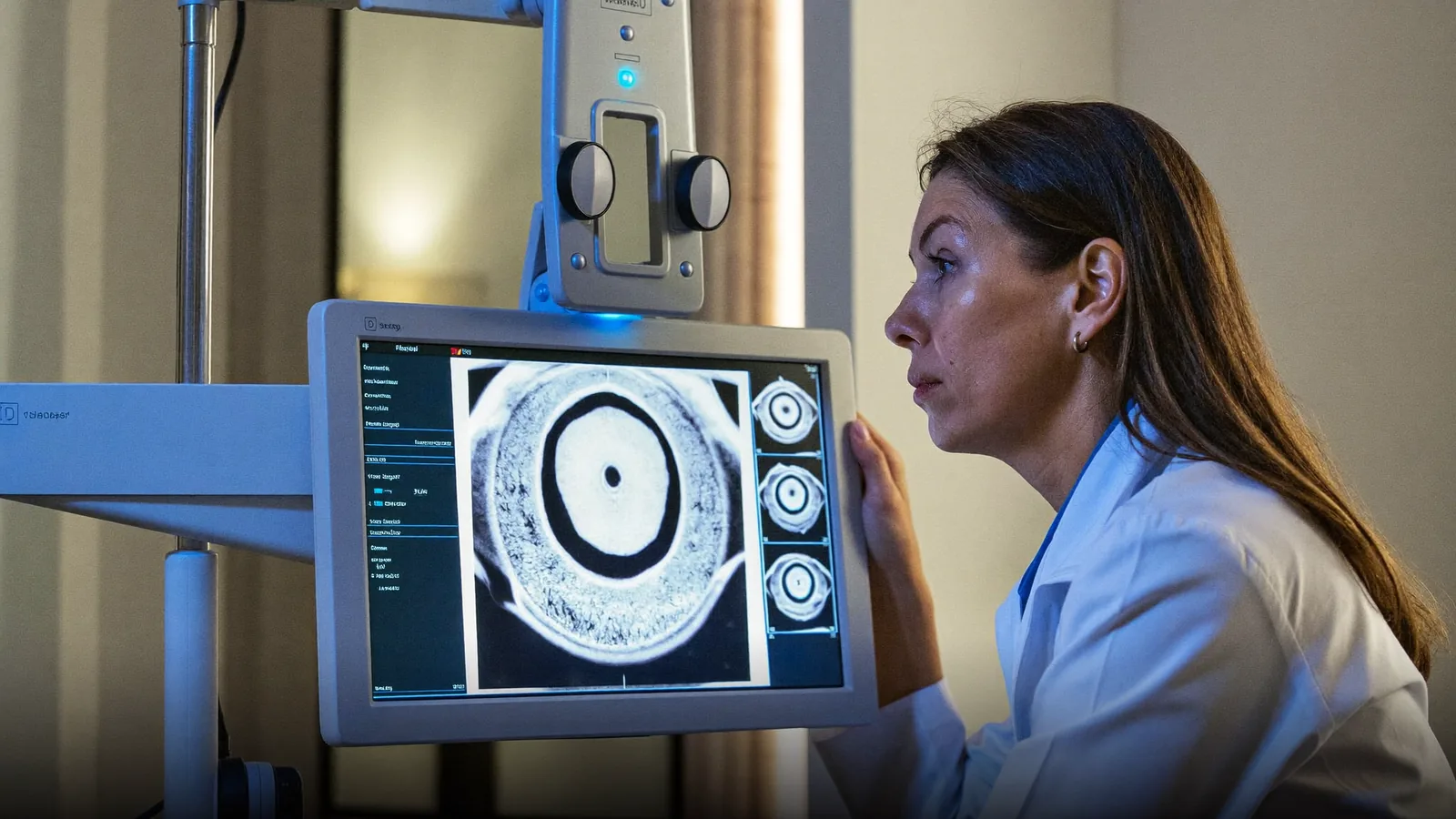
A detailed eye examination always precedes an ICL decision; it rests not on a single measurement but on assessing several together. Corneal thickness and topography, anterior chamber depth, intraocular pressure, endothelial cell count and prescription stability are its core components.
Each measurement informs both whether ICL is suitable and the power and size of lens to use. Some measurements are completed the same day, while others may need a separate imaging appointment, depending on the clinic's equipment and the patient's own eye structure. Once complete, the results are reviewed with the patient and any further questions answered. Our eye examination page covers this assessment in more detail. The diagram below summarises the sequence followed.
Steps in the Pre-ICL Assessment
How Does Op. Dr. Anıl Kaya Approach ICL Assessment?
Op. Dr. Anıl Kaya bases the ICL decision not only on the size of the prescription but on corneal structure, anterior chamber depth, endothelial cell count and prescription stability together. If any of these is unfavourable, the patient is told clearly about other options or that surgery should be postponed.
When both eyes need ICL, the second eye is usually planned as a separate session, so the first eye's recovery can be observed and each eye assessed individually. The examination also weighs the patient's daily expectations, professional needs and whether they were previously assessed for laser, so the option recommended fits the patient's priorities as well as the measurements.
The consultation addresses not only measurement results but the patient's own questions and concerns; with a lens placed inside the eye on a long-term basis, it matters that the patient understands the process behind the decision. More on the doctor's overall approach is on his own page.
How Does Recovery Progress After ICL Surgery?
In most patients, visual quality improves noticeably within the first few days; mild stinging or watering may occur on day one and usually settles quickly. Full healing, with the eye tissue settling around the lens, can take a few weeks; this is followed by the doctor, and timelines vary between patients. Attending the scheduled follow-ups matters for confirming that lens position and intraocular pressure are following the expected course.
The diagram below summarises the general course of recovery.
Recovery Timeline After ICL Surgery
What Should Be Watched For After ICL Surgery?
Avoiding rubbing the eye in the first few days, using the drops the doctor prescribes as directed, and keeping to the scheduled follow-ups are the basic steps that keep recovery on track. Avoiding water in the eye, irritants such as dust or smoke, and heavy exertion is also generally advised in this early period.
If a sudden drop in vision, severe pain, increasing redness or flashes of light appear, contact the doctor without waiting for the next scheduled visit. Such symptoms do not always mean a serious problem, but assessing them early keeps the process safe.
Sunglasses may be recommended, particularly at first, to ease light sensitivity; when make-up or eye-area creams can be used again follows the doctor's follow-up schedule. When it is safe to swim or go in the sea is likewise judged at follow-up appointments based on how the eye is healing; keeping to that schedule helps recovery proceed as planned.

What Are the Known Risks of ICL Surgery?
As with any surgical procedure, ICL carries some known risks; these are considered low but are still explained to the patient in detail before surgery. A temporary rise in intraocular pressure, the risk of post-operative inflammation or infection, and, rarely, a reduction in the cornea's inner cell count are among the main ones.
ICL performed in an unsuitable eye, or with an incorrectly measured lens, can narrow the anterior chamber and affect intraocular pressure; this is why pre-operative measurements — anterior chamber depth and endothelial cell count especially — matter greatly. Attending scheduled post-operative follow-ups also matters, so these findings can be caught early and managed.
Careful assessment of suitability, together with regular follow-up, allows most of these risks to be caught early and managed. Because risk tolerance and expectations differ between patients, explaining these risks clearly and with concrete examples matters for an informed decision. Your own risk profile should be discussed with the doctor in detail at examination.
Does ICL Mean Never Needing Glasses Again?
ICL is designed to correct the degree of myopia (and any astigmatism) measured at the time of surgery; this correction does not reverse, and the original prescription does not return. It does not, however, prevent a separate age-related change known as presbyopia. Presbyopia results from the natural lens losing flexibility, making near vision harder, and appears to some degree in almost everyone from around middle age; it follows its own course whether or not a patient has had ICL.
A patient who has had ICL may therefore still need glasses for near distances later in life — for reading, for example; this does not mean the surgery was unsuccessful, only that it stems from a separate, age-related mechanism. Explaining this distinction clearly before surgery matters for keeping expectations realistic.
Frequently Asked Questions About ICL
Is ICL surgery painful? The eye is numbed with anaesthetic drops or a local anaesthetic, so patients generally feel no significant pain. Mild stinging or watering can occur on day one and usually settles quickly.
Is ICL permanent, or can it be removed later? Because it does not touch the natural lens, ICL can be removed or exchanged if needed — unlike laser methods, which permanently reshape the cornea.
What is the main difference between ICL and laser surgery? Laser reshapes the corneal tissue; ICL leaves the cornea untouched and places a separate lens inside the eye instead. Which suits you depends on corneal thickness and degree of myopia.
How long does recovery take after ICL? Visual quality generally improves noticeably within the first few days, but full healing and settling of the eye tissue can take a few weeks, followed by the doctor.
Can ICL be used in everyone? No; suitability depends on corneal structure, anterior chamber depth and overall eye health, so the decision follows a detailed examination.
Does ICL surgery carry risks? As with any surgery, ICL has some known risks — changes in intraocular pressure, infection, or rarely endothelial cell loss — kept to a minimum through careful assessment and follow-up. Your own risk profile is discussed at examination.
Can ICL still be used if I have astigmatism? Yes; a toric ICL, made to correct the astigmatism as well, can be used instead of a standard lens. The right choice is determined by corneal measurements.
Is ICL surgery painful?
The eye is numbed with anaesthetic drops or a local anaesthetic, so patients generally feel no significant pain. Mild stinging or watering can occur on day one and usually settles quickly.
Is ICL permanent, or can it be removed later?
Because it does not touch the natural lens, ICL can be removed or exchanged if needed — unlike laser methods, which permanently reshape the cornea.
What is the main difference between ICL and laser surgery?
Laser reshapes the corneal tissue; ICL leaves the cornea untouched and places a separate lens inside the eye instead. Which suits you depends on corneal thickness and degree of myopia.
How long does recovery take after ICL?
Visual quality generally improves noticeably within the first few days, but full healing and settling of the eye tissue can take a few weeks, followed by the doctor.
Can ICL be used in everyone?
No; suitability depends on corneal structure, anterior chamber depth and overall eye health, so the decision follows a detailed examination.
Does ICL surgery carry risks?
As with any surgery, ICL has some known risks — changes in intraocular pressure, infection, or rarely endothelial cell loss — kept to a minimum through careful assessment and follow-up. Your own risk profile is discussed at examination.
Can ICL still be used if I have astigmatism?
Yes; a toric ICL, made to correct the astigmatism as well, can be used instead of a standard lens. The right choice is determined by corneal measurements.
How long does ICL surgery take?
ICL surgery is generally completed within a short time for each eye; the exact duration can vary with the structure of the eye and the technique used.
From what age can ICL be performed?
ICL is generally considered in adulthood, once the eye has finished developing and the prescription has been stable for some time; exact suitability is determined at examination.
Will I still need glasses after ICL?
In most patients, the need for glasses is significantly reduced after ICL; glasses may still be recommended in some cases for near vision or any remaining mild refractive error, and this is assessed at post-operative follow-up.
References
- Implantable Collamer Lens (ICL) — American Academy of Ophthalmology (AAO), 2026
- Implantable Collamer Lens — American Academy of Ophthalmology — EyeWiki, 2026
Book an Appointment for ICL
The only real way to find out whether ICL suits you is a detailed eye examination. Start this assessment by booking an appointment at Op. Dr. Anıl Kaya's Istanbul clinic; his approach to treatment is covered on his own page.
Find the Right Path for You
There are many different conditions and options in this area — browse by topic below, or answer a few questions to see the step closest to your situation.
Explore by Topic
The Basics
2 pagesComparisons
1 pageFind What Suits You
The tool will load shortly — or you can contact us directly.