Medical Aesthetics Treatments
Six non-surgical treatments, from fractional CO2 laser and RF microneedling to Botox and fillers, matched to your concern in Kartal, Istanbul. Book a consultation.


Medical aesthetics is a group of non-surgical treatments that balance how skin and facial features change over time. The clinic offers six options — fractional CO2 laser, RF microneedling, Botox, dermal fillers, a liquid facelift and skin boosters — that differ mainly in skin depth; which one suits you is decided at the consultation.
Written by Op. Dr. Anıl Kaya
What Is Medical Aesthetics and Which Treatments Does It Cover?
Medical aesthetics combines laser, radiofrequency, injectable and supportive treatments that aim to balance how skin and facial contours change over time. It isn't surgery: no tissue is cut or stitched. Instead, the skin's own renewal is supported, muscle movement is regulated, or lost volume is replaced with an external material. Op. Dr. Anıl Kaya's clinic in Istanbul offers six treatments: fractional CO2 laser, RF microneedling, Botox, dermal fillers, a liquid facelift, and skin boosters (mesotherapy).
The clearest way to tell them apart is the depth of skin each works on. Fractional CO2 laser creates controlled micro-zones in the upper layers, and skin boosters work at a similarly superficial level through micro-injections. RF microneedling, dermal fillers and a liquid facelift act beneath the skin: one supports collagen with energy, the others add volume and support. Botox works deepest, at the facial expression muscles, temporarily reducing movement.
This is also why "which one is better" is the wrong question. These treatments don't replace one another; they answer different problems at different depths, and often more than one is considered together. This page introduces all six side by side and explains when each tends to come up — which suits you becomes clear at a face-to-face consultation.
The depth difference also determines recovery time, when the effect becomes visible, and how often treatment is repeated. Treatments closer to the surface generally allow a faster return to daily life, though the result becomes visible more gradually, since it depends on the skin's own renewal speed.
How Does Non-Surgical Facial Rejuvenation Work in Medical Aesthetics?
Non-surgical facial rejuvenation isn't a single procedure; it's the umbrella term for medical aesthetics treatments that don't involve surgery. Everything here relies on one of three principles. The first is tissue renewal: fractional CO2 laser and RF microneedling support the skin's own collagen production, so results appear gradually over the following weeks. The second is movement regulation: Botox relaxes the relevant expression muscles in a controlled, temporary way, reducing the movement that creates a line. The third is volume and support: dermal fillers and a liquid facelift replace lost volume with an external material.
Skin boosters (mesotherapy) are a supportive approach that helps the skin's moisture balance and vitality, usually considered alongside other treatments rather than alone.
This nature also sets the approach's limits. A surgical facelift repositions tissue; medical aesthetics treatments support the tissue already there. For mild to moderate change, this is often enough, but in advanced skin laxity, non-surgical methods can fall short — which side you're on depends on the change you notice and your own expectations.
The second defining feature is that results aren't permanent. Muscle movement returns over time, filler is gradually absorbed, and natural ageing continues. So it's best thought of as a care plan reviewed at intervals, not a one-off procedure. How often it needs revisiting depends on the method, your skin type, and habits such as sun protection.
Which Treatment Is Right for Me?
A step-by-step decision framework based on your concern, its severity, your age, previous treatments and expectations.
See the decision stepsSix Treatments Compared
A separate page compares all six treatments side by side on target, duration, recovery and how long results last.
See the comparison
Which Concerns Are Assessed in Medical Aesthetics?
The concerns patients bring to medical aesthetics fall into a few main groups. The most common is facial lines and wrinkles, split into dynamic lines that only appear with expression, and static lines that remain at rest. Lines between the brows and around the eyes are usually expression-driven, while nasolabial folds link more to volume loss — a distinction that changes the treatment chosen.
The second group is pigmentation. A spot isn't a single condition; sun exposure, hormonal change or colour change after inflammation each have a different origin, and the spot's colour, borders and depth shape the approach.
Also commonly assessed are irregular texture and more visible pores, volume and contour loss around the cheeks or jawline, mild to moderate laxity, and a dull, tired complexion linked to moisture loss. Placing your concern in the right category is the first step to the right treatment, so we cover the two most common headings in more detail on separate pages.
One warning: a lesion that's growing quickly, changing in colour, shape or texture, or that bleeds or itches, needs dermatological assessment before any aesthetic evaluation — in that case, planning is postponed until the lesion itself is assessed.
Facial Lines and Wrinkles
How dynamic and static lines differ, why they form, and which approach tends to come up in each case.
Read about lines and wrinklesPigmentation Spots
How the approach changes depending on the spot's origin, and which situations call for a dermatological check before any aesthetic assessment.
Read about pigmentation spots
Why Do the Lines, Spots and Laxity Addressed in Medical Aesthetics Occur?
Most changes in the face aren't down to a single cause; they build up over years as several processes overlap. First is the skin's natural loss of elasticity: as collagen and elastin support decreases, the skin can no longer bounce back quickly, fine lines become permanent, and firmness decreases.
The second factor is expression movement: the same muscle group contracting for years first leaves a line only during movement, which can later show at rest too. The third is sun exposure, which speeds elasticity loss and is the most common origin of superficial spots. Smoking, moisture loss and hormonal changes add to this, and post-inflammatory colour change also plays into pigmentation.
Volume loss is separate: declining support in certain areas can reduce fullness in the cheeks, flatten the jawline contour, and deepen nasolabial folds. Because several processes often work at once, a single treatment may not address every concern, so planning starts by identifying which is dominant.
Identifying the dominant cause is the consultation's first task. To determine whether lines are dynamic or static, the doctor compares your appearance at rest with an expression. Where pigmentation is involved, whether the spot sits near the surface or deeper is assessed, since this shapes the approach.
The Six Medical Aesthetics Treatments Offered at the Clinic
The six treatments fall into two families. The first is skin renewal: fractional CO2 laser and RF microneedling renew the skin tissue itself, with the result coming from the skin's own collagen production. The second is injectable: Botox targets muscle movement, dermal fillers target volume, a liquid facelift combines these for a lifting and volumising effect, and skin boosters (mesotherapy) deliver supportive ingredients beneath the skin to support vitality.
Each card below is drawn from that treatment's own page, and the diagrams show how each works differently. Duration and recovery figures are averages that vary from person to person.
These six methods aren't interchangeable alternatives. None replaces another directly; often one or several are considered together, depending on your skin type and concern, as decided at the consultation.
In practice, the two families come down to one question: does the problem lie in the skin's tissue, in muscle movement, or in lost volume? Skin renewal stands out for tissue-related concerns, Botox for movement-related lines, filler for volume-related lines and contour loss. Some patients have two of these at once, so treatments are planned in the same session or in sequence. Each treatment's own page covers the procedure, who it suits, and realistic expectations.
Fractional CO2 Laser
Creates controlled micro-zones in the skin's upper layers to support the skin's own renewal process and collagen production. Specific micro-points are targeted, not the entire skin surface.
RF Microneedling
Delivers controlled radiofrequency energy beneath the skin through fine, gold-plated needle tips to support collagen production. It's considered for concerns around skin firmness and visible pores.
Botox
An injectable treatment that aims to reduce the appearance of dynamic wrinkles by relaxing the expression muscles in a controlled, temporary way. The frown area, forehead and crow's feet are commonly treated areas.
Dermal Fillers
Usually involves placing hyaluronic acid-based gels beneath the skin to support lost volume and soften certain lines. The effect is generally visible shortly after treatment.
Liquid Facelift
Without surgery, filler and, where needed, other injectable methods are planned together to aim for a lifting and volumising effect on the face. It's considered for mild to moderate skin laxity.
Skin Boosters (Mesotherapy)
Supportive ingredients such as hyaluronic acid, vitamins and amino acids are delivered beneath the skin through micro-injections to support the skin's moisture balance and vitality.
Which Medical Aesthetics Treatment Suits Whom?
Choosing a treatment starts with identifying which process lies behind what bothers you in the mirror. Botox stands out for lines that appear with expression, since the problem is muscle movement rather than the skin itself. Dermal filler comes up for lines that remain at rest and deepen with volume loss. Where texture is irregular, pores are more visible, or superficial sun spots stand out, fractional CO2 laser or RF microneedling is considered. If skin looks dull and tired with noticeable moisture loss, skin boosters (mesotherapy) are planned as support. For mild to moderate laxity and contour loss, a liquid facelift, combining several methods, comes to the fore.
This matching is a general framework, not a rule for every patient. Age, skin type, severity, previous treatments and your daily routine all influence the choice. Younger adults more often consider preventive approaches, while fillers, Botox and more extensive laser or RF come up from middle age on. Pregnancy, breastfeeding, active skin infection and certain chronic conditions affect what can be planned.
Where a treatment isn't suitable, a gentler alternative is considered: where fractional CO2 laser isn't appropriate, RF microneedling or mesotherapy may come up; where RF isn't suitable, mesotherapy can remain an option. Patients wanting a natural look, unworried about losing expression, find Botox planning easier; frequent frowning or squinting can make dynamic lines show earlier.
Which Medical Aesthetics Treatment Stands Out by Concern
How Do Medical Aesthetics Treatments Differ From One Another?
What sets the six treatments apart isn't how they're applied, but what they target. Laser and RF renew the skin tissue itself, Botox targets muscle movement, filler targets volume. Because these targets don't substitute for one another, the same concern can respond differently to different treatments.
The second distinction is when the effect appears. Filler is usually visible shortly after treatment, becoming clearer as swelling settles. Botox becomes noticeable within a few days as muscle activity decreases, with full effect in one to two weeks. Laser and RF, since collagen renews slowly, produce gradual results over weeks; mesotherapy's difference is usually felt after a few sessions.
The third distinction is recovery. Return to daily life after Botox and mesotherapy is possible the same day; mild swelling or redness after filler, a liquid facelift and RF can last a few days; with fractional CO2 laser, redness and light peeling can last up to a week. We cover the most confused pair, Botox and filler, on a separate page.
The fourth distinction is repeat frequency. Botox and filler need repeating at intervals; laser and RF are usually planned as a course of sessions followed by maintenance; mesotherapy's result is already the sum of several sessions. Choosing between methods means weighing the result against the time needed to maintain it.
| Laser / RF | Botox | Filler-Based | |
|---|---|---|---|
| Renews skin tissue | ✓ | — | — |
| Reduces muscle movement | — | ✓ | — |
| Supports volume loss | — | — | ✓ |
| Effect visible shortly after | — | — | ✓ |
| Effect becomes visible over weeks | ✓ | — | — |
| Repeated at set intervals | ✓ | ✓ | ✓ |
What Is Assessed at the Pre-Treatment Consultation?
Medical aesthetics treatments don't require a separate diagnostic test or device measurement; the process starts with a consultation. Its first aim is to clarify where the concern comes from. To work out whether lines are dynamic or static, the doctor compares your appearance at rest with an expression; with pigmentation, the spot's colour, borders and depth are assessed.
The consultation also covers your previous treatments, medication (including blood thinners), known allergies and skin sensitivities. Pregnancy and breastfeeding, active infection at the site, uncontrolled chronic conditions, certain neuromuscular conditions, and metal implants or a pacemaker all directly affect what can be planned.
Discussing expectations is integral too. These treatments aim to support your existing features, not change them; planning without realistic expectations tends to end in dissatisfaction. A suspicious-looking lesion warrants a dermatological assessment before any aesthetic evaluation. The suitable treatment or combination is agreed together by the end of the conversation.
What comes out isn't a treatment name, but a plan: which concern comes first, whether a single treatment or combination suits, how many sessions it spans, and what to watch for afterwards. Book a consultation through our contact page.

How Does a Medical Aesthetics Session Proceed, Step by Step?
Although details differ across the six treatments, the session follows a shared structure. For injectable treatments, preparation is short and the treatment completes quickly while seated; device-based treatments take longer to prepare and finish.
Anaesthesia needs vary. Botox doesn't require it; cooling can be applied beforehand if preferred. Fractional CO2 laser, RF microneedling and mesotherapy use topical anaesthetic cream where needed, given time to take effect. Dermal fillers and a liquid facelift may use topical or local anaesthesia.
The treatment itself differs: with laser, the device moves across the target area creating controlled micro-zones; with RF, energy is delivered beneath the skin through gold-plated needle tips; with Botox, small doses go to pre-determined muscle groups with fine needles; with filler, material is delivered via fine needle or cannula and the area gently shaped; with mesotherapy, the area is divided into small zones for micro-injection points.
Finishing is part of the process: after laser and RF, soothing skincare and sun-protection advice follow; after filler and a liquid facelift, the area is shaped and symmetry reviewed. Session length varies: Botox takes fifteen to twenty minutes, a liquid facelift up to an hour, depending on the combination used.
- 1Assessment and Planning. Your concern, skin type and expectations are discussed; the treatment and areas to be treated are decided.
- 2Skin Cleansing and Anaesthesia. The skin is cleansed; topical or local anaesthesia is applied depending on the treatment, and time is allowed for it to take effect.
- 3Treatment. The device is moved across the target area, or controlled injections are given at pre-determined points.
- 4Finishing and Aftercare Advice. Soothing skincare is applied and symmetry is reviewed; sun-protection advice and aftercare instructions are given.
How Long Does It Take to Return to Daily Life After Medical Aesthetics Treatment?
The most common question about non-surgical treatments is when you can return to normal life. This varies by treatment and links to how deep the method works.
Return to daily life after Botox and skin boosters (mesotherapy) is possible the same day, with mild redness or bruising clearing quickly and mesotherapy's small needle marks fading within days. After dermal fillers, a liquid facelift and RF microneedling, mild swelling, redness or bruising can last a few days — avoid pressing on the area or intense exercise meanwhile. With fractional CO2 laser, redness and light peeling can last up to a week, when sun protection matters most.
After Botox, avoid pressing on the area or bending forward in the first hours. After mesotherapy, drink plenty of water and protect from sun. These are averages; sensitivity, area and extent of treatment vary by person.
Don't confuse recovery time with how long the effect takes to show. With filler, return to daily life may take a few days even though volume shows right after treatment; with laser and RF, return is quicker even though results appear gradually over weeks. "When can I go back to work" and "when will I see the result" aren't the same question.
Return to Daily Life by Treatment
What Temporary Effects Can Follow Medical Aesthetics Treatment?
Certain temporary effects are expected after non-surgical treatments too; most settle on their own as a normal part of recovery. With injectable treatments, the most common are temporary swelling, tenderness and minor bruising. With mesotherapy, small pinpoint scabbing can appear at injection points. With device-based treatments, redness, tenderness and, with fractional CO2 laser, mild peeling are expected.
Rarer effects are worth noting. With Botox, headache, asymmetric effect at the injection site and, very rarely, temporary eyelid drooping have been reported. With filler and a liquid facelift, asymmetry or nodules can rarely occur; very rare but serious complications such as vascular occlusion have been reported. With fractional CO2 laser, temporary darkening or lightening of skin colour, infection risk, or longer healing can occur.
The most practical way to reduce risk is following aftercare advice: keep the area clean, protect from sun, and avoid pressure in the first few days. Contact the clinic if a concern is unexpected, worsening or lasts longer than expected.
Infection risk is low with most treatments, but poor aftercare hygiene can raise it. Blood thinner use should always be mentioned at the consultation, as it affects bruising. If unsure whether a symptom is expected, contact the clinic rather than wait.

Where Do the Limits of Medical Aesthetics Begin, and When Is Surgery Needed?
Non-surgical treatments have a realistic limit, and knowing it in advance affects satisfaction with the result. In advanced skin laxity, injectable approaches such as a liquid facelift may not suffice; surgical options such as blepharoplasty within the eyelid surgery ecosystem may suit better. Fractional CO2 laser doesn't fully eliminate deep wrinkles or marked laxity, and RF microneedling doesn't resolve marked tissue laxity or significant volume loss alone.
The methods have limits too. Botox alone may not suffice for deep lines at rest or volume-linked lines; filler alone may fall short where marked laxity dominates; mesotherapy alone may not meet expectations with significant volume loss or deep lines.
The eye area is where this limit is most often tested. Where change under the eyes relates to skin quality, medical aesthetics comes up; where the lower lid's membrane has loosened and fat bulges forward, assessment shifts to surgery. Working out which side you're on is for the consultation; the two pages below cover this further.
Awareness of this limit doesn't make treatment unnecessary — it changes the plan. In some patients, medical aesthetics supports skin quality ahead of surgery; in others, it's an interim option before surgery is considered. What matters is discussing which expectation suits which method from the outset.
Eyelid Surgery
Upper and lower eyelid surgery, under-eye bags and droopy eyelid — conditions that call for a surgical assessment — are covered in a separate section of the site.
See eyelid surgeryEye Area Rejuvenation Article
Read our blog article on how surgical and aesthetic options differ when it comes to changes around the eyes.
Read the articleHow Long Do Medical Aesthetics Results Last, and When Is a Repeat Session Needed?
The results of medical aesthetics treatments aren't permanent — a natural consequence of how they work, not a shortcoming. With Botox, muscle movement gradually returns after a few months on average. With dermal filler, the material is gradually absorbed, and the effect can range from around six to eighteen months. With laser and RF, since the result relies on the skin's own renewal, durability depends on skincare, sun protection and natural ageing.
Repeat-session planning follows from these differences. With fractional CO2 laser, sessions needed vary with skin condition and may exceed one. RF microneedling usually needs several sessions at set intervals. Mesotherapy generally needs several sessions for visible results, followed by periodic maintenance.
Sequencing matters when treatments are combined: with Botox and filler together, muscle movement is usually addressed first, then volume loss. The table below shows when each effect becomes visible and how long it lasts.
One of the most important variables affecting durability is daily habit. Sun protection, regular skincare and not smoking directly affect how long results last, especially with skin-renewing treatments. Follow-up appointments review not just whether the result holds, but also these habits.
| Treatment | When the effect becomes visible | How long it lasts |
|---|---|---|
| Botox | Becomes visible within 2-7 days, full effect in 1-2 weeks | A few months on average |
| Dermal fillers | Shortly after treatment, becoming clearer as swelling settles | 6-18 months on average |
| Liquid facelift | Starts shortly after, becoming clearer gradually | Depends on the methods used |
| RF microneedling | Gradually, over several weeks | Months, depending on skincare |
| Fractional CO2 laser | Within a few weeks, full result in a few months | Months to years, depending on maintenance |
| Skin boosters (mesotherapy) | Usually after a few sessions | Depends on regular maintenance sessions |
The Devices and Treatment Technologies Used in Medical Aesthetics
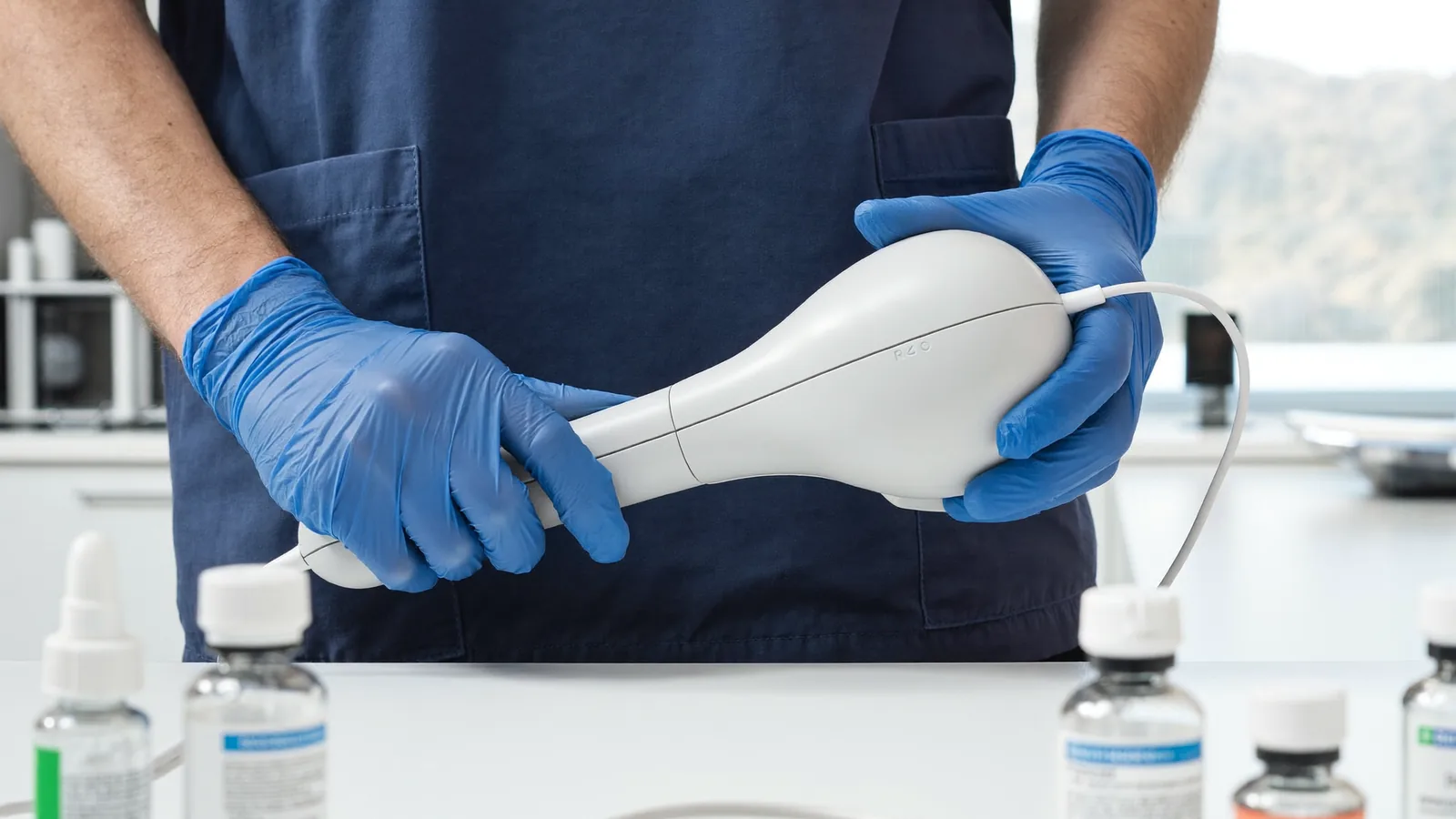
In medical aesthetics, the result depends not only on the method but on the tool used and how it's applied. With fractional CO2 laser, the device targets specific micro-points rather than the entire skin, letting surrounding healthy tissue aid healing — the core logic of this fractional approach.
In RF microneedling, the gold-plated tips aren't just a technical detail; the coating improves the skin's tolerance to the energy, delivered in a controlled way beneath the skin through these fine tips, limiting the surface effect while supporting collagen at the targeted layer.
For injectable treatments, tool choice varies by area. Botox uses fine needles for small doses to pre-determined muscle groups. Dermal fillers may use a fine needle or cannula depending on the area, favoured where it follows a gentler path through tissue. Mesotherapy delivers its ingredient mix as micro-injections at set intervals, depth and spacing adjusted to where the concern is concentrated.
Device or material choice alone doesn't determine the result: the same laser is planned differently for different skin, the same filler in different amounts and techniques across areas. What matters isn't the technology's name, but how it's planned for your skin and concern — the consultation beforehand matters as much as the device itself.
Frequently Asked Questions About Medical Aesthetics
Below are the questions that come up most often at consultations, with short answers; each is general information — what applies to you is decided at consultation.
Most arise because the treatments aren't surgical and results need reviewing after a period.
Are medical aesthetics treatments painful?
Most treatments may cause a mild sensation of discomfort. Botox doesn't require anaesthesia, and cooling can be applied if preferred; laser, RF, filler and mesotherapy may use topical or local anaesthesia where needed. How discomfort is perceived varies from person to person.
Can more than one medical aesthetics treatment be done in the same session?
In some cases, if considered appropriate, treatments can be planned together; when Botox and filler are used together, muscle movement is usually addressed first, followed by volume loss. This decision depends on the doctor's assessment and your skin condition; not every combination suits every patient.
Are medical aesthetics results permanent?
No. With Botox, the effect lasts a few months on average; with dermal filler, it can range from around six to eighteen months. With laser and RF treatments, how long the result lasts depends on skincare, sun protection and the natural ageing process. Repeat treatment at set intervals may be needed to maintain the effect.
Does non-surgical facial rejuvenation replace surgery?
A surgical facelift repositions tissue, while medical aesthetics treatments support the tissue that's already there. For mild to moderate change, non-surgical approaches may be enough; in advanced skin laxity, they can fall short, and surgical options may be more suitable.
How is it decided which medical aesthetics treatment suits me?
The type of your concern (dynamic lines, static lines, pigmentation, irregular texture, volume loss or laxity), your age, skin type, previous treatments and expectations are all assessed together at the consultation. The recommendation becomes clear after a face-to-face conversation.
When can I return to normal life after a medical aesthetics treatment?
Return to daily life after Botox and skin boosters (mesotherapy) is generally possible the same day. After filler, a liquid facelift and RF microneedling, mild swelling or redness can last a few days; with fractional CO2 laser, redness and light peeling can last up to a week.
Are medical aesthetics treatments carried out on men too?
Yes. The type of concern and skin type form the basis of the assessment; treatments are planned according to whether a line is dynamic or static, whether there's volume loss, and your expectations — not according to gender.
Can medical aesthetics treatments be done during pregnancy or breastfeeding?
These treatments aren't recommended during pregnancy or breastfeeding. Active skin infection, a known allergy to the ingredients used, uncontrolled chronic conditions and certain neuromuscular conditions are also among the situations that can prevent a treatment being planned.
Which methods are used for facial rejuvenation?
Different methods are used for facial rejuvenation, including fractional CO2 laser, RF microneedling, Botox, dermal fillers and a liquid facelift; which method suits you is decided according to your skin type and your concern.
Which treatments are preferred for sagging skin?
For mild to moderate skin laxity, non-surgical methods such as a liquid facelift and RF microneedling may be preferred; for more advanced laxity, surgical options may need to be considered. The suitable method is decided at the examination.
What's the difference between Botox and filler?
Botox softens expression wrinkles caused by muscle movement, while filler restores fullness to areas that have lost volume. Whether one or both are used together is decided based on an assessment of your skin.
Book a Consultation for Medical Aesthetics
To clarify which medical aesthetics treatment may suit you, request an appointment at Op. Dr. Anıl Kaya's clinic in Istanbul. At the consultation, your concern is discussed, your skin assessed, the available treatments and their limits covered, and you're given a realistic plan. A single treatment may be enough, or several methods may be planned in sequence.
Reviewing this page's diagrams and comparisons beforehand can help clarify what to ask. The decision is never made from a single page — it follows an examination.
Find the Right Path for You
There are many different conditions and options in this area — browse by topic below, or answer a few questions to see the step closest to your situation.
Explore by Topic
Find What Suits You
The tool will load shortly — or you can contact us directly.

Ophthalmologist · Kartal, Istanbul
Why Op. Dr. Anıl Kaya?
Related Pages
Pigmentation Spots
RF Microneedling Treatment
Botox Treatment
Skin Boosters & Mesotherapy
Which Medical Aesthetic Treatment Is Right for Me?
Medical Aesthetic Treatments Compared
Botox vs Filler
Eyelid Surgery and Ptosis Surgery
Eye Area Rejuvenation: Surgical and Non-Surgical Options
Contact and Appointments