
Liquid Facelift
Fillers and other injectables are planned together to lift and add volume without surgery, considered for mild to moderate sagging. See how the process works in Istanbul.
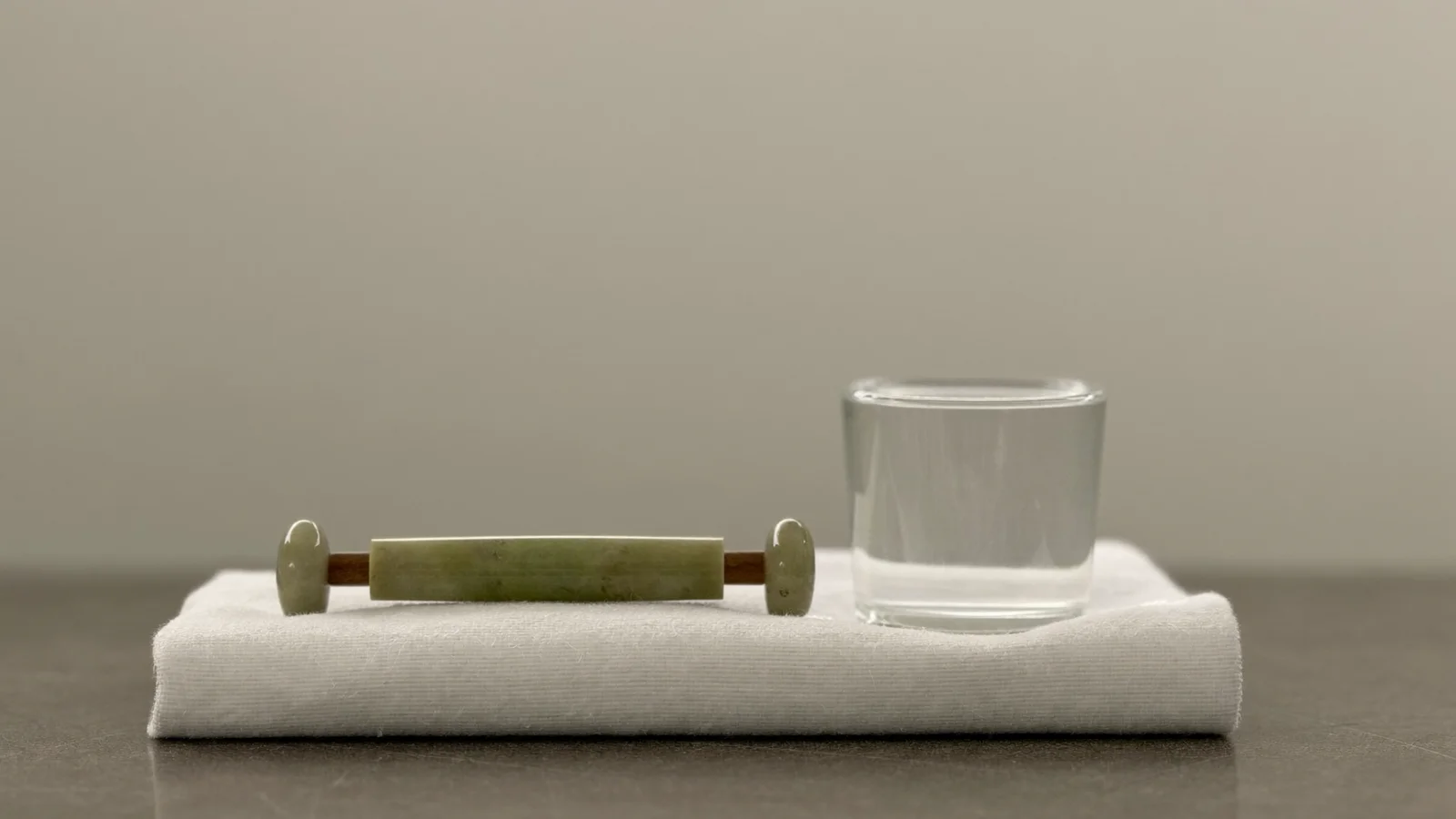

A liquid facelift is a non-surgical approach that combines dermal filler and, where needed, other injectable techniques to create a lifting and volumising effect on the face. It's considered by patients seeking a less invasive alternative to surgical facelift surgery, with a plan tailored to the patient's facial structure at the clinic.
Written by Op. Dr. Anıl Kaya
What Is a Liquid Facelift?
A liquid facelift is a non-surgical approach combining dermal filler and, where needed, other injectables to create a lifting/volumising effect. It suits patients wanting a less invasive option than facelift surgery, offered at Op. Dr. Anıl Kaya's Istanbul clinic as a tailored plan.
The term isn't one product — it means filler, Botox where needed, and skin-rejuvenation methods layered together. Within Medical Aesthetics, it's a first step for patients noticing volume loss and mild sagging who'd rather avoid facelift surgery's length, recovery and invasiveness.
Quick Facts
Session length depends on the technique combination, typically 30–60 minutes, using local or topical anaesthesia if needed. Results are usually visible soon after treatment, with permanence depending on the method. Treatment takes place under medical supervision in sterile conditions, with same-day return to daily life usually possible. Frequency and repeat intervals are clarified at consultation, based on the product and desired outcome.
What Indications Is a Liquid Facelift Used For?
A liquid facelift suits patients who don't want surgery but have mild to moderate skin sagging, contour loss and reduced facial volume, often alongside facial lines and wrinkles. It's considered for age-related volume loss in the cheeks, jawline and temples, deepening nasolabial folds, and loss of jawline definition. If skin quality has also declined, volumising alone may not be enough — skin-rejuvenation methods can be part of the plan.
Who Is a Liquid Facelift Suitable For?
A liquid facelift can be considered for adults with mild to moderate skin sagging and volume loss who aren't ready for, or don't want, facelift surgery. Adults in good general health, with realistic expectations and a commitment to regular maintenance, tend to benefit most. It can also be considered a preventive approach to slow early age-related change.
Who May Not Be Suitable for a Liquid Facelift?
In advanced skin sagging, a liquid facelift may not be enough — surgical options, such as blepharoplasty within the eyelid surgery ecosystem, may suit better. It isn't recommended for patients with a filler allergy or those pregnant. Active skin infection, an uncontrolled chronic condition or a bleeding disorder needs assessment first. Patients expecting a surgical-level effect may be unsatisfied and are informed of alternatives.
How Is a Liquid Facelift Assessed Before Treatment?
Before treatment, your facial structure, degree of sagging and expectations are assessed — no separate test is needed. This clarifies which techniques to combine; book an appointment via our contact page. Skin quality, fat distribution and bone structure are examined, along with the filler amount and site needed. Discuss any medication you take, especially blood thinners, and previous aesthetic procedures with your doctor.
How Is a Liquid Facelift Performed?
A liquid facelift proceeds step by step, following the plan agreed after your assessment.
- 1Pre-assessment and planning. Facial structure, degree of sagging and volume loss are examined to determine the areas and amounts to treat.
- 2Skin preparation and marking. Treatment areas are cleansed, topical anaesthetic cream applied if needed, and injection points marked.
- 3Injectable treatment. Dermal filler is applied to the treated areas for volume and support, with complementary techniques such as Botox carefully added where needed.
- 4Symmetry and natural-look check. Both sides of the face are compared at the end, with small adjustments made if necessary.
- 5Aftercare guidance. You're given guidance on aftercare and your follow-up appointment.
What Happens After a Liquid Facelift?
Mild swelling and bruising can last a few days; avoid strenuous exercise and pressure on the area at first. Return to daily activities is usually quick. Avoid heat on the area for the first 24–48 hours; a cold compress can help. Avoid make-up and heavy skincare for a few days — your doctor checks healing at follow-up.
What Are the Results of a Liquid Facelift?
The lifting/volumising effect usually emerges gradually; how long it lasts depends on the method and your skin type, and periodic maintenance or repeat treatment may be needed. As initial swelling settles, the effect becomes clearer. The result isn't down to a single product — it reflects the technique combination together with your own skin and fat tissue.
What Are the Limits of a Liquid Facelift, and What Should You Realistically Expect?
A liquid facelift doesn't match facelift surgery's effect, and results can be limited in advanced sagging — outcomes vary with facial anatomy, so the same result isn't expected in every patient. With significantly reduced skin elasticity and noticeable excess skin, volumising alone may not restore the contour; surgical options within the eyelid surgery ecosystem, or a different combination plan, may then be recommended.
What Are the Risks and Side Effects of a Liquid Facelift?
Temporary swelling, bruising and tenderness are common. Depending on the technique, asymmetry or nodule formation is rarely reported; an experienced practitioner helps reduce these risks. Most effects are temporary and settle on their own within days. Follow-up with your doctor is advised for rare effects; contact the clinic if you notice anything unusual.
Effects That Can Occur After a Liquid Facelift
When Does a Liquid Facelift Take Effect, and How Long Does It Last?
After a liquid facelift, the effect emerging and settling is gradual. As initial swelling and bruising fade, the volumising effect becomes clearer; the full result is usually clear within a few weeks. The figures below are a general trend and can vary with the method and your skin type.
Liquid Facelift Recovery and Effect Timeline
What Is the Doctor's Approach to a Liquid Facelift?
Op. Dr. Anıl Kaya tailors the liquid facelift plan to each patient's facial anatomy and expectations, combining more than one technique where needed. You can find out more about him on our doctor page. During assessment, facial symmetry, skin quality and previous aesthetic history are examined together, aiming for a natural result in keeping with the patient's anatomy.
What Alternative Treatments Are Considered Instead of a Liquid Facelift?
For localised volume support, dermal filler alone may be an alternative; for skin-quality support, skin boosters/mesotherapy can be an option. Where wrinkles are the main concern, Botox; for skin tightening and collagen support, RF microneedling or fractional CO2 laser may also be considered. Our Botox vs filler comparison page can help you understand wrinkles versus volume loss.
Frequently Asked Questions
Does a liquid facelift replace surgical facelift surgery?
No — in advanced sagging it may not match surgery's effect; in mild to moderate cases, it's considered a non-surgical alternative.
How long does the effect last?
It varies with the method and your skin type — it isn't permanent, and periodic maintenance may be needed.
Is the treatment done in a single session?
Usually a single session, though extra sessions may be recommended depending on your goal; this is clarified at consultation.
Who shouldn't choose this method?
Patients with advanced skin sagging may not get a sufficient result — surgical options should then be considered.
Is the treatment painful?
Topical anaesthesia keeps discomfort to a minimum — you may feel mild stinging during treatment, and pain perception varies from person to person.
How long does swelling take to settle after treatment?
Swelling usually reduces noticeably within a few days, with full settling taking around one to two weeks, depending on the person.
Does the result look natural?
How natural it looks depends on the amount and technique used; the aim is a result true to your facial anatomy, not overdone.
Related Content
Our facial lines and wrinkles page, and our combined comparison table of all treatments, may be useful. For a different concern, such as pigmentation spots, see that page; if you're unsure which treatment suits you, check our which treatment is right for me guide. All our clinic's treatments are brought together on our medical aesthetics homepage.
How Does a Liquid Facelift Compare With Other Treatments?
Our combined comparison table, covering the liquid facelift alongside five other treatments, can help you see which method best suits your concern — Botox, dermal filler, RF microneedling, fractional CO2 laser and skin boosters/mesotherapy — comparing differences in duration, treatment area and recovery.
What Does a Liquid Facelift Look Like Before and After?
Before treatment, mild to moderate sagging and contour loss may be prominent; once swelling settles after treatment, facial contour can look more restored. The result varies with the technique combination used, assessed under your doctor's supervision — the degree of change differs for each patient and can't be predicted in advance.
References
- Advanced on Minimally Invasive Techniques in Facial Rejuvenation: A Comprehensive Review — World Journal of Plastic Surgery (PMC), 2026
Book a Consultation
Request an appointment to find out whether a liquid facelift is right for you.
Find the Right Path for You
There are many different conditions and options in this area — browse by topic below, or answer a few questions to see the step closest to your situation.
Explore by Topic
Find What Suits You
Aesthetics RoadmapA few questions, the right next step for you


Ophthalmologist · Kartal, Istanbul
Why Op. Dr. Anıl Kaya?
Related Pages
Would you like to contact the doctor with a Aesthetics assessment tailored to you?
There are two ways. If you would like the doctor to know your situation before replying, complete the Aesthetics Roadmap first; if your question is short, write directly. Both reach the same team.
Your age and a short sentence are enough; no medical terms needed. What you write is only sent when you send it; this page stores no information.