
Why Does Blurry Vision Happen?
Blurry vision is usually a refractive error, presbyopia, cataract or dry eye; sudden blur in one eye or with flashes shouldn't wait. WhatsApp our Istanbul clinic.
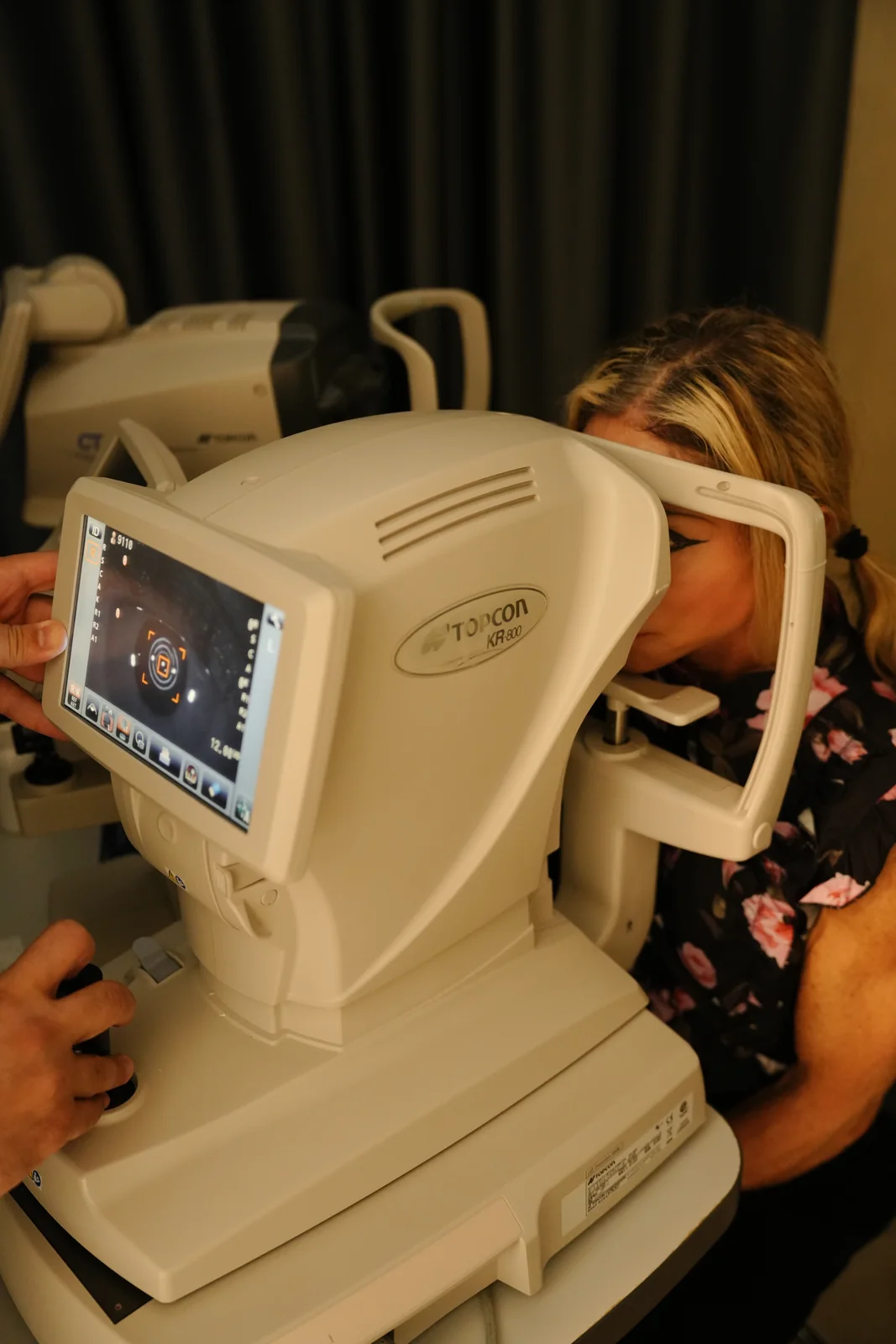

Blurry vision is most often caused by refractive errors such as myopia, hyperopia or astigmatism; presbyopia, cataract and dry eye are also common causes. Less often, retinal conditions can cause blurring too. Blurring that starts suddenly, affects one eye, or comes with flashes of light should be assessed without delay.
Written by Op. Dr. Anıl Kaya
Is Your Vision Blurry?
If your vision has become blurry, you may be wondering what it means. This page explains the possible causes in plain language, and when it needs prompt attention.
Quick Facts
Blurry vision is most often a simple case of a changed glasses prescription, but it can also be an early sign of cataract, dry eye or a retinal condition. Onset, speed of progression, and whether one or both eyes are affected are useful clues, but the cause can only be confirmed with an eye examination.
What Can Blurry Vision Mean?
Blurry vision is a shared symptom of many eye conditions. Sometimes it simply reflects a change in glasses prescription; at other times it's the first sign of a condition needing closer assessment. How long the symptom has been present, whether it developed suddenly or gradually, and whether it affects one or both eyes, are all important clues to the likely cause.
Some patients describe an image that simply isn't sharp, while others describe reduced contrast, increased light sensitivity, or objects appearing slightly doubled — these different descriptions can point to different causes. The symptom may appear only when tired and settle on its own, or become a constant blur present all day; this is also taken into account during assessment.
What Are the Most Common Causes of Blurry Vision?
The most common causes are refractive errors such as myopia, hyperopia and astigmatism, where the image doesn't focus precisely on the retina, so distance and near vision can both appear blurred. After age 40, blurred near vision (presbyopia) is another common cause, as the natural lens loses flexibility. Cataract, caused by the natural lens losing its clarity, is an important cause of blurry vision in later life; the blur usually builds slowly over months or years, often with halos around lights at night. Dry eye can also cause a mild, fluctuating blur, standing out after long screen use or infrequent blinking. Less commonly, retinal conditions (age-related macular degeneration, retinal tear or diabetic retinopathy) can cause sudden or one-eyed blurring, often with a dark patch in the visual field or distorted, wavy lines.
The breakdown below summarises these causes by how often they're seen; the actual cause can only be confirmed with an eye examination.
How Common Are the Possible Causes of Blurry Vision?
Which Conditions Can Cause Blurry Vision?
Blurry vision most often relates to refractive errors such as myopia, hyperopia and astigmatism, or to cataract or retinal conditions that develop with age. Which applies can only be confirmed with a thorough eye examination.
In some patients, dry eye causes a fluctuating blur linked to an irregular ocular surface, varying through the day and easing temporarily with blinking. In conditions related to eye pressure, such as glaucoma, blurring typically only appears at a more advanced stage, so its absence early on does not rule out glaucoma. In migraine-related visual auras, blurring or disturbance can occur as brief episodes lasting a few minutes, usually with headache. Telling these apart depends on symptom duration, progression, and any accompanying signs. In some cases more than one cause is present at once — a refractive error together with mild dry eye, say — making the exact cause a little harder to pin down.
When Should Blurry Vision Be Treated as Urgent?
Blurry vision that starts suddenly, affects only one eye, or comes with flashes of light or floaters should be assessed without delay; this can sometimes signal an urgent retinal problem.
Sudden blurring with severe eye pain, headache, nausea or redness should also not be ignored, as these symptoms are sometimes linked to a rapid rise in eye pressure. A curtain or shadow across part of the field of vision, or straight lines appearing bent or wavy, can also point to a retinal problem and should be assessed the same day. In any of these presentations, seeing an eye doctor without delay is advised.
How Does the Doctor Assess Blurry Vision?
The assessment starts with a brief conversation about when the symptom began, whether it came on suddenly or gradually, and whether it affects one eye or both. Visual acuity is then measured with a letter chart and the glasses prescription tested if needed, clarifying whether the blur is simply a refractive error. Depending on the findings, the examination may extend to intraocular pressure measurement and a fundus examination, with the pupil dilated using drops for a closer view if needed. If needed, the front surface and eyelids are also checked under a slit lamp to rule out causes such as dry eye. The order and extent of these steps are decided by the doctor based on age, symptom duration, and accompanying findings. If the cause isn't clear afterwards, further retinal imaging may be considered, though only when needed. The steps below summarise the general flow.
How Does the Blurry Vision Assessment Proceed?
How Does Treatment for Blurry Vision Vary by Cause?
If the cause is a refractive error, glasses, contact lenses or, in suitable candidates, laser eye surgery may be considered. If the cause is cataract, surgical treatment comes into the picture. If the cause is retinal, options may include eye injections or surgery specific to the condition. The right approach can only be decided once the cause is clear; the same method won't suit every patient.
For dry-eye-related blurring, artificial tears and simple surface-support measures are often enough; if the symptom persists, the underlying cause is investigated further. For a glaucoma-related picture, treatment may involve drops, laser or surgery to lower eye pressure; the goal here is slowing existing damage rather than clearing the blur. Age, general health and symptom severity are also weighed when the plan is decided, so the path can differ between patients with the same diagnosis. Regular follow-up appointments matter for checking the approach is working as expected.
Frequently Asked Questions
Does blurry vision always mean a serious condition?
No, it's most often down to a simple need for a glasses prescription; however, blurring that starts suddenly or affects only one eye should always be assessed.
Can blurry vision go away on its own?
It depends on the cause; blurring from temporary eye strain can settle on its own, while blurring caused by a refractive error or an eye condition needs examination and treatment.
Does it matter whether my near or distance vision is blurry?
Yes, it matters; blurry distance vision is usually linked to myopia, while blurry near vision is more often linked to presbyopia after age 40 or to hyperopia — the doctor clarifies this distinction during the examination.
How can I tell if the problem is related to the fundus?
It's difficult to judge on your own; a fundus examination is especially recommended when blurring starts suddenly or comes with floaters or flashes of light.
Can blurry vision be caused by tiredness?
Long periods of screen use or eye strain can cause a temporary sense of blur, which usually eases with rest. If the symptom becomes constant, an examination is recommended.
What can blurry vision indicate in children?
In children, blurry vision often points to an unnoticed refractive error; because it can affect school performance and eye development, it shouldn't be overlooked and should be assessed with a regular eye examination.
What does it mean if blurry vision comes with a headache?
Blurring accompanied by headache can sometimes stem from an uncorrected refractive error, and sometimes from a condition that needs closer assessment; if this combination is present, an examination is recommended.
References
- Retinal Detachment — EyeWiki (American Academy of Ophthalmology), 2026
- Ophthalmologic Manifestations of Migraines — EyeWiki (American Academy of Ophthalmology), 2026
Appointments
You can book an appointment at our Istanbul clinic to find out what's causing your blurry vision as part of a full eye examination.
Find the Right Path for You
There are many different conditions and options in this area — browse by topic below, or answer a few questions to see the step closest to your situation.
Explore by Topic
Find What Suits You
Eye Examination RoadmapA few questions, the right next step for you


Related Pages
What Is a Full Eye Examination, and What Does It Check?
What Is a Routine Eye Examination, and How Often Should You Have One?
What Is a Fundus Examination and Why Is It Done?
How Is a Glasses Prescription Measured? The Refraction Test
Cataract Symptoms, Surgery and Intraocular Lens (IOL) Options
Retinal Diseases and Treatment Options
Medical Aesthetics Treatments
Op. Dr. Anıl Kaya
Contact and Appointments
Would you like to contact the doctor with a Eye Exams assessment tailored to you?
There are two ways. If you would like the doctor to know your situation before replying, complete the Eye Exams Roadmap first; if your question is short, write directly. Both reach the same team.
Your age and a short sentence are enough; no medical terms needed. What you write is only sent when you send it; this page stores no information.