
Under-Eye Fat Transfer
Under-eye hollows and shadows are softened with fat from your abdomen or inner thigh, injected under local anaesthesia. See how the process works in Istanbul.
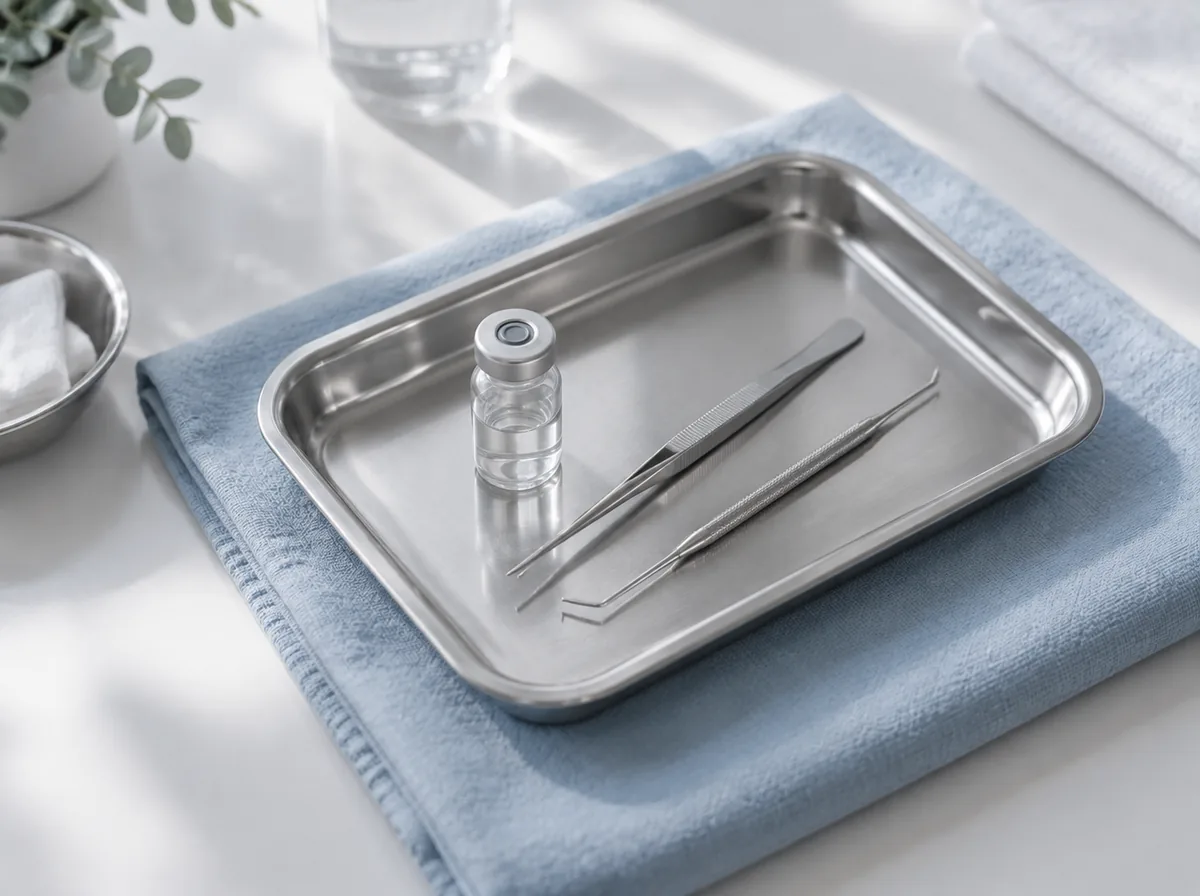
Under-eye fat transfer places the patient's own fat tissue into areas of volume loss under the eyes to reduce hollowing and shadowing. The fat is usually taken from the abdomen or inner thigh, injected under local anaesthesia as day-case surgery in about 45–60 minutes, with the first improvement visible within 1–2 weeks.
Written by Op. Dr. Anıl Kaya
What is under-eye fat transfer?
Under-eye fat transfer places the patient's own fat tissue into areas of volume loss under the eyes through small injections, reducing hollowing and shadowing. With age, natural fat and soft-tissue support under the eyes can diminish, creating a hollow, shadowed look; unlike bagginess, this is about a lack of tissue rather than an excess. Op. Dr. Anıl Kaya, an eye surgeon (ophthalmologist) in Istanbul, considers this method for patients whose under-eye bags stem from volume loss, aiming for natural fullness with the body's own tissue.
Quick facts
Anaesthesia: local anaesthesia. Duration: about 45–60 minutes, including fat harvesting and injection. Hospital stay: day-case. First noticeable improvement: 1–2 weeks. Exact timelines vary by patient.
When Is Fat Transfer Used?
Fat transfer is used when the under-eye bag complaint comes not from bagginess but from volume loss and hollowing. This distinction is clarified at the examination, since excess volume and volume loss call for different methods. Some patients have both a mild fat herniation and adjacent volume loss; this mixed picture may need surgery and fat transfer planned together. Volume loss usually progresses gradually with age, making the area look more hollow and shadowed.
Who Is a Good Candidate for Fat Transfer?
This method suits patients with under-eye hollowing, shadowing or visible blood vessels made noticeable by thin skin, provided skin elasticity is adequate. With enough donor fat tissue and realistic expectations, the outcome is generally more predictable.
Who May Not Be Suitable for Fat Transfer?
If the bagginess is mainly caused by excess skin or a fat herniation, fat transfer alone may not be enough and lower blepharoplasty may suit better. The procedure is postponed for active infection or bleeding disorders. Without enough donor fat, an alternative method is considered.
How Is the Assessment Before Fat Transfer Done?
Before the procedure, the degree of volume loss and skin structure under the eye are assessed; this determines how much fat goes where. The donor area, usually the abdomen or inner thigh, is decided at this stage. The patient's general health history and current medications are reviewed. Whether the patient has had previous fat transfer or filler is also asked, for expectation management and planning.
Steps of the Assessment Process
How Is Fat Transfer Performed?
A small amount of fat is taken with a thin cannula from a suitable area, usually the abdomen or inner thigh, then purified by centrifugation or decantation to separate fluid and damaged cells — a step that affects the quality and retention rate of the tissue. The purified fat is placed under the eye with very fine cannulas, in small layers from different angles, helping it draw blood supply and improve retention. Placement respects the area's anatomical boundaries — the orbital rim, the lid–cheek junction — avoiding an unnatural fullness. The procedure is day-case surgery under local anaesthesia, with small strips or a cold compress applied to the donor and under-eye areas.
- 1Harvesting the Fat. A small amount of fat tissue is taken with a thin cannula from a suitable area of the body, usually the abdomen or inner thigh.
- 2Purification. The harvested fat is purified by separating it from fluid and damaged cells, typically by centrifugation or decantation.
- 3Placement Under the Eye. The purified fat is placed under the eye with very fine cannulas, in small layers and from different angles, taking the anatomical boundaries of the area into account.
- 4Post-Procedure Care. Small strips or a cold compress may be applied to both the donor area and the under-eye area.
What Is the Recovery Process After Fat Transfer?
Swelling and mild bruising in the first days usually settle within one to two weeks. Some transferred fat may be absorbed, so the initial result can look slightly fuller than the final one — an expected part of the process. The donor area may also feel temporarily tender or bruised. Following the doctor's recommended follow-up schedule matters.
What Are the Results of Fat Transfer Like?
The amount of fat that permanently takes becomes clear within a few months; the result is usually natural fullness with less shadowing. Since the body's own tissue is used, it blends with surrounding structures naturally.
What Are the Limits of Fat Transfer and Realistic Expectations?
Some transferred fat may be absorbed over time, so an additional session may be needed after a few months; how much will remain becomes clear only once healing is complete. The method does not correct excess skin or muscle laxity, so if the bagginess is mainly caused by excess skin, fat transfer alone may not be enough. The outcome varies by how well the fat retains; smoking and certain systemic conditions can affect the retention rate.
What Are the Risks and Side Effects of Fat Transfer?
Risks include swelling, bruising, asymmetry, and the transferred fat settling unevenly or taking less or more than expected. Rarely, small areas of firmness can form in the fat tissue (fat necrosis), usually resolving on its own. Temporary contour irregularity may also occur in the donor area. These risks are explained individually by the doctor at the examination. Sterile conditions meeting medical standards keep infection risk low, though not zero.
Frequency Layers of the Risks
What Is the Doctor's Approach to Fat Transfer?
Op. Dr. Anıl Kaya plans the transferred volume cautiously, based on the patient's anatomy and expected retention, aiming for natural fullness that blends with the surrounding tissue.
What Are the Alternatives to Fat Transfer?
If noticeable excess skin accompanies volume loss, it can be evaluated together with lower blepharoplasty; if surgery is not preferred, dermal filler is an alternative, though its effect is not permanent and needs regular repeat treatment.
Frequently Asked Questions
Is fat transfer permanent?
A significant portion of the transferred fat can be permanent, but not all of it takes, so some patients may need an additional session.
Where is the fat taken from?
Usually a small amount is taken from a fatty area, such as the abdomen or thigh.
When is fat transfer preferred over lower blepharoplasty?
It may be preferred when the bagginess stems from volume loss, without excess skin.
Is the procedure painful?
Under local anaesthesia, no significant pain is felt during the procedure; mild tenderness may occur afterwards.
What is the difference between fat transfer and filler?
Fat transfer uses the patient's own tissue and can be permanent; filler is ready-made, fades over time, and needs reapplying.
When will I look normal again after the procedure?
As swelling subsides, a natural look emerges within weeks; the final result may take a few months.
Does the donor area leave a scar?
Since the fat is taken through a small entry point with a thin cannula, this area rarely shows a noticeable scar.
Related content
For other causes of under-eye bags, see the under-eye bags page; for the surgical option, see lower blepharoplasty.
How Does Fat Transfer Compare With Other Methods?
The procedure comparison page compares fat transfer with other eyelid methods — useful for seeing the difference between volume loss and excess tissue.
How Long Does It Take to Return to Daily Life After Fat Transfer?
Most patients return to daily life within a few days; since the donor area may feel mildly tender, strenuous exercise should be postponed briefly. Avoiding long sun exposure helps healing go more comfortably.
What Do Before-and-After Results Look Like?
The change in fullness after fat transfer can be shown through before-and-after examples shared with the patient's consent; results vary since retention rates differ.
References
- Autologous Fat Grafting for Facial Rejuvenation — StatPearls (NCBI Bookshelf, NIH), 2023
Book an Appointment
Book an appointment to find out whether fat transfer or another method suits your under-eye hollowing.
Find the Right Path for You
There are many different conditions and options in this area — browse by topic below, or answer a few questions to see the step closest to your situation.
Explore by Topic
The Basics
4 pagesTreatment
7 pages- Upper Blepharoplasty (Upper Eyelid Surgery)
- Lower Blepharoplasty (Lower Eyelid Surgery)
- Ptosis Surgery (Droopy Eyelid Surgery)
- Under-Eye Fat Transfer
Comparisons
2 pagesDecision Support
1 pageFind What Suits You
Eyelid RoadmapA few questions, the right next step for you


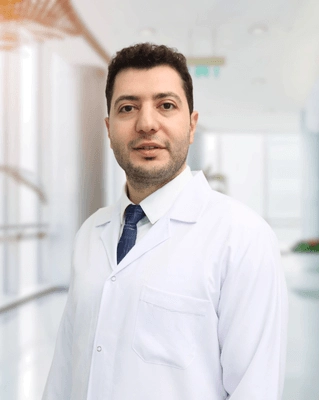
Ophthalmologist · Kartal, Istanbul
Why Op. Dr. Anıl Kaya?
Related Pages
Would you like to contact the doctor with a Eyelids assessment tailored to you?
There are two ways. If you would like the doctor to know your situation before replying, complete the Eyelids Roadmap first; if your question is short, write directly. Both reach the same team.
Your age and a short sentence are enough; no medical terms needed. What you write is only sent when you send it; this page stores no information.