
What Causes a Sagging Upper Eyelid?
Usually age-related skin and muscle laxity or sun damage, though a low brow or ptosis can look similar; an exam tells them apart. Message us on WhatsApp in Istanbul.


A sagging upper eyelid is most often caused by age-related skin and muscle laxity, loss of elasticity from sun damage, and genetic predisposition; a low brow can also add to the sagging look. Less often, loss of levator muscle function (ptosis) causes a similar appearance; the distinction becomes clear on examination.
Written by Op. Dr. Anıl Kaya
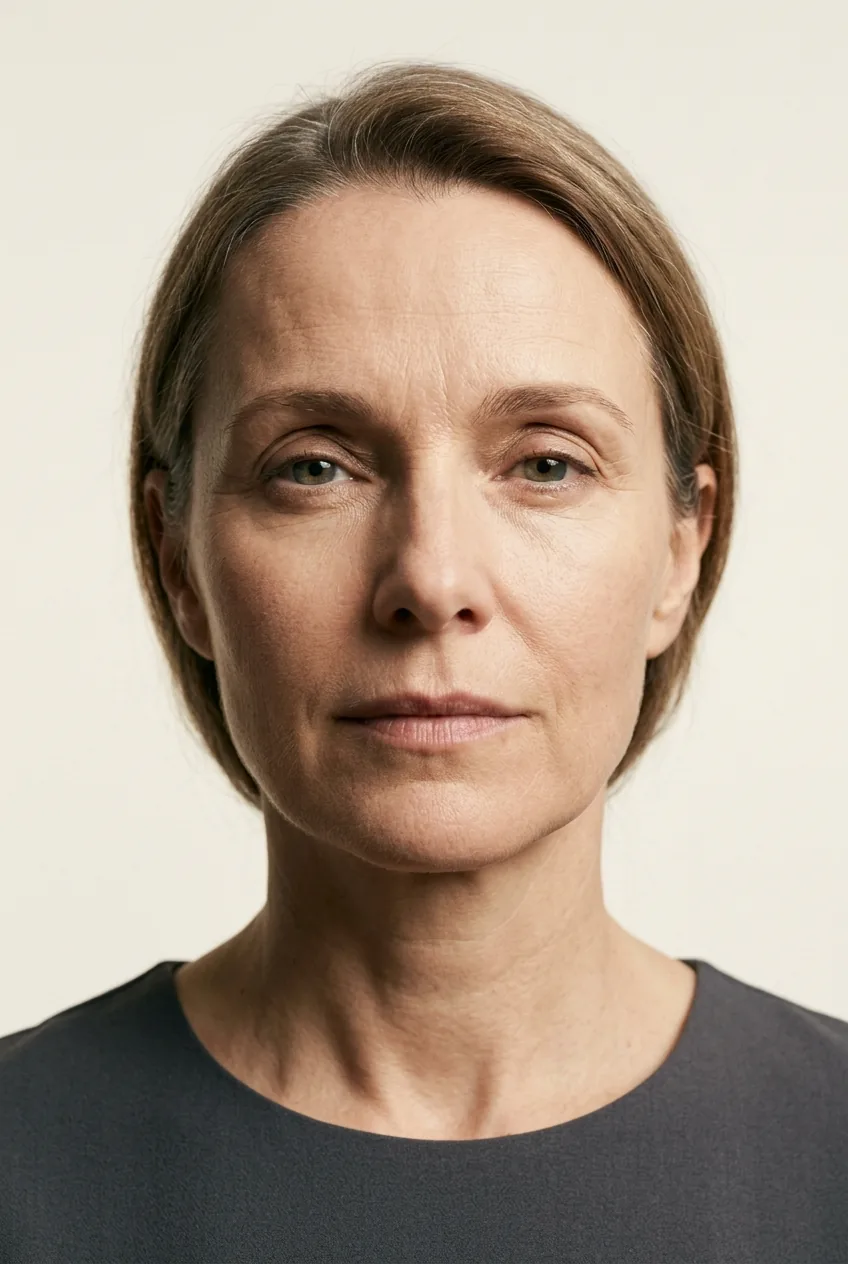
Sagging upper eyelid
A sagging upper eyelid that develops over time is a common complaint, bringing a sense of heaviness and a tired look. Some patients notice this more in the evening, after long reading or screen use, while others describe it as a change in appearance seen in photos or the mirror.
Quick Facts
A sagging upper eyelid can develop as the eyelid skin, the levator muscle or the brow position changes over time, causing heaviness and a tired look. It may only affect appearance, or in some cases narrow the upper visual field. Whether the cause is skin, muscle or a low brow becomes clear on examination.
What can a sagging upper eyelid mean?
Sagging of the upper lid is usually related to excess skin and soft tissue drooping over the eye with time. In some patients, however, a similar-looking complaint is not caused by excess skin but by a loss of function in the eyelid-lifting muscle (ptosis); telling the two apart matters. The sagging usually progresses unnoticed over years; patients often notice it after comparing old photos or spotting a tired look around the eyes. In some it is only a cosmetic concern; in others it can narrow the upper visual field. The excess skin can become more noticeable when looking upward or opening the eyes fully; some patients develop a habit of raising their eyebrows to see better, which over time can add lines to the forehead. The degree of sagging can differ between the two eyes; comparing them helps tell a true asymmetry from a habitual difference. Some describe it only as heaviness around the eyes, others as a visual change — less eye opening, a smaller-looking gaze — though these descriptions can stem from the same underlying problem.
What most often causes a sagging upper eyelid?
The most common causes include age-related skin and muscle laxity, loss of skin elasticity from long-term sun damage, genetic predisposition, and a low brow reflecting onto the eyelid. In some patients the thin eyelid skin thins further and the fat beneath becomes more noticeable, adding to the sagging look. Long-term contact lens use, repeated eye rubbing, and past procedures around the eyelid can also affect skin elasticity. Less often, a loss of function in the levator muscle itself (ptosis) produces a similar look, though the mechanism differs entirely from excess skin. Weight changes or a history of prolonged swelling can also affect skin elasticity, making sagging noticeable earlier. A low brow, even without any change in the eyelid tissue, can add extra weight on the lid and increase the sagging look; this is why brow position is part of the upper lid assessment.
Possible causes of sagging by frequency
What conditions can be confused with a sagging upper eyelid?
When the sagging is muscle-related, the diagnosis is droopy eyelid (ptosis) — a different clinical picture from excess skin, with a different mechanism and surgical approach. In some patients, excess skin and mild muscle loss occur together, and a single method alone may not be enough. A low brow can also be visually confused with eyelid sagging, when the real problem lies in the brow's own position. On examination, the eyelid skin, muscle function and brow position are each assessed separately to clarify which picture fits your case. Rarely, a sagging-like appearance can stem from a mass or swelling around the eyelid, distinguished on examination with further assessment if needed. How much these three pictures — excess skin, muscle-related droop, low brow — overlap determines the scope of the surgical plan; a single method can be enough, or combining two can give a more consistent result. Trying to make this distinction yourself can be misleading, since excess skin and muscle-related droop can look quite similar; a reliable distinction needs the function tests done on examination.
How does the doctor assess a sagging upper eyelid?
During assessment, the lid margin's level is measured, levator muscle function is tested by moving the lid up and down, and the brow's effect on the lid is examined separately by manually supporting the brow. This three-part assessment shows whether the sagging comes from skin, muscle or the brow, or a combination. As part of the general eye exam, dryness level and overall eye health are also assessed, since these affect which surgical approach can be safely used. The exam also asks how long the complaint has lasted, whether it changes during the day, and any family history; eyelid crease position and symmetry are assessed too, offering clues in telling excess skin apart from muscle-related droop. Manually supporting the brow and watching the lid's behaviour shows how much the low brow contributes; this simple test helps decide whether a brow lift is needed. The lid margin's position relative to the pupil is measured separately in each eye to record any asymmetry.
Assessment steps
How does treatment for a sagging upper eyelid differ by cause?
If the sagging is caused by excess skin, upper blepharoplasty is considered; if by muscle loss, ptosis surgery; if by a low brow, a brow lift. These can sometimes be planned together. In some patients both excess skin and muscle-related droop are present, and the two can be planned in one session. Which method suits you is shaped by the findings on examination; for example, if a low brow is dominant, upper blepharoplasty alone may not give a satisfactory result, so combining it with a brow lift can be more consistent. If only muscle-related droop is present with no excess skin, ptosis surgery alone may be enough.
Frequently Asked Questions
Is sagging the same thing as ptosis?
No — sagging is usually from excess skin, while ptosis comes from muscle loss; they need different operations.
Can sagging affect vision?
Advanced sagging can narrow the visual field, so an assessment is recommended.
Does sagging only happen with age?
It is usually age-related, but genetics can cause it at a younger age too.
Can makeup or creams reduce sagging?
Permanent excess skin will not disappear with cream or makeup, though these can soften the look.
Are sagging and a low brow corrected with the same operation?
Not always; a low brow may need its own brow lift, alone or with blepharoplasty, decided on examination.
Does sagging start in one eye and spread to the other?
Sagging usually appears in both eyes, though the degree may differ; a marked one-sided difference is assessed separately.
What happens if sagging is left untreated?
Mild sagging can progress over time; if it affects the visual field, an assessment is recommended.
Appointment
You can book an examination with Op. Dr. Anıl Kaya, eye surgeon (ophthalmologist), to clarify the cause of your upper lid sagging. Eyelid skin, muscle function and brow position are assessed together to find the right method for you.
Find the Right Path for You
There are many different conditions and options in this area — browse by topic below, or answer a few questions to see the step closest to your situation.
Explore by Topic
The Basics
4 pagesTreatment
7 pages- Upper Blepharoplasty (Upper Eyelid Surgery)
- Lower Blepharoplasty (Lower Eyelid Surgery)
- Ptosis Surgery (Droopy Eyelid Surgery)
- Under-Eye Fat Transfer
Comparisons
2 pagesDecision Support
1 pageFind What Suits You
Eyelid RoadmapA few questions, the right next step for you


Ophthalmologist · Kartal, Istanbul
Why Op. Dr. Anıl Kaya?
Related Pages
Would you like to contact the doctor with a Eyelids assessment tailored to you?
There are two ways. If you would like the doctor to know your situation before replying, complete the Eyelids Roadmap first; if your question is short, write directly. Both reach the same team.
Your age and a short sentence are enough; no medical terms needed. What you write is only sent when you send it; this page stores no information.